oÁza – nádej pre nový život, n.o.
IDENTIFICATION OF THE CASE STUDY
Case study number: SK-04
Name of the farm/organization:
Oáza - nádej pre nový život, n.o. / Oasis – hope for a new life, non profit organization
Title of the case study:
The environment shapes us - We shape the environment
MAIN DATA
Country
Slovakia
Year of establishment
2005
Target groups
- Homeless people
- Disabled people
- Prisoners
- Addicts
- Elderly people
Type of farm
Non profit organization, shelter for homeless
Size (in hectares)
4 ha
Numbers of employees from target groups
3 in their social enterprise, 5-7 people for Oáza
Number of members from target groups using services without employment
Approximately 200
Sources they live from
State - for a night shelter - registered social service, county, donations, contributions from the city
Innovative / not innovative
Innovative
Websites
www.2343ec78a04c6ea9d80806345d31fd78-gdprlock/profile.php?id=61554805019796
DESCRIPTION
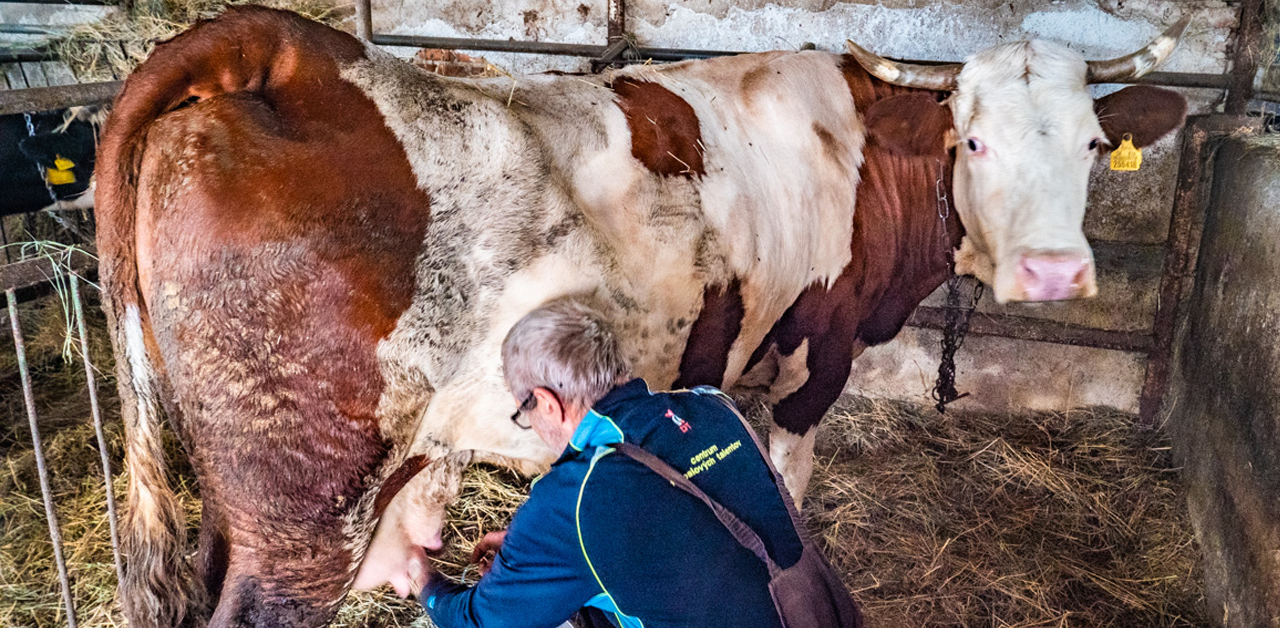
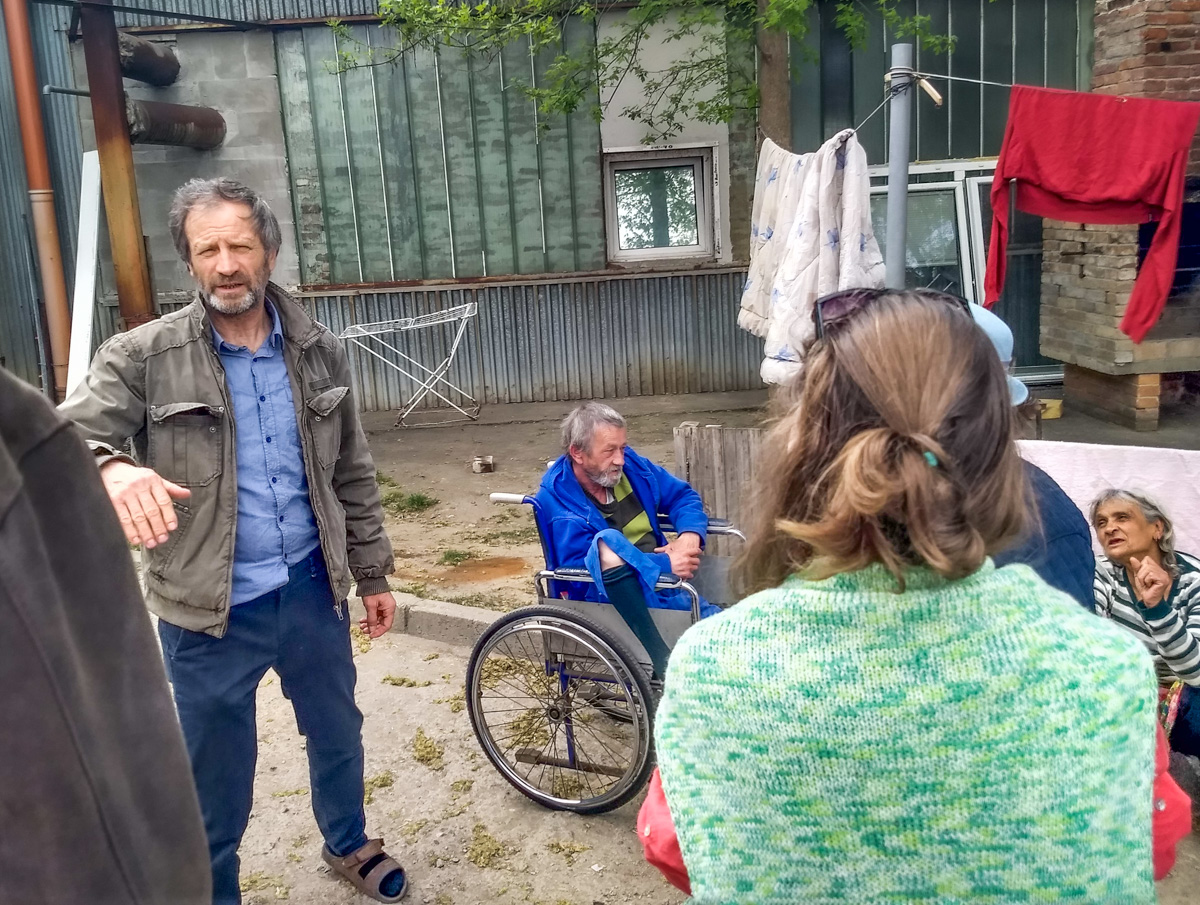
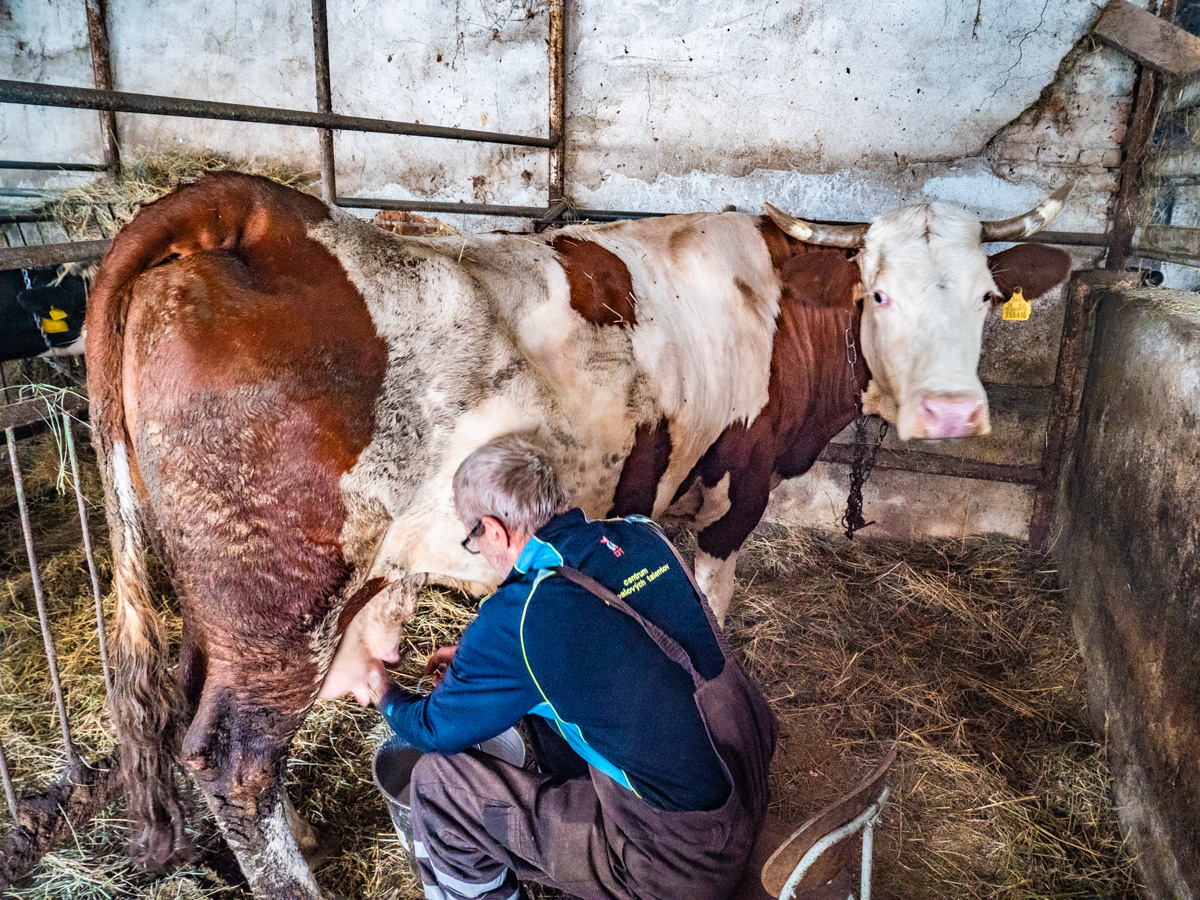
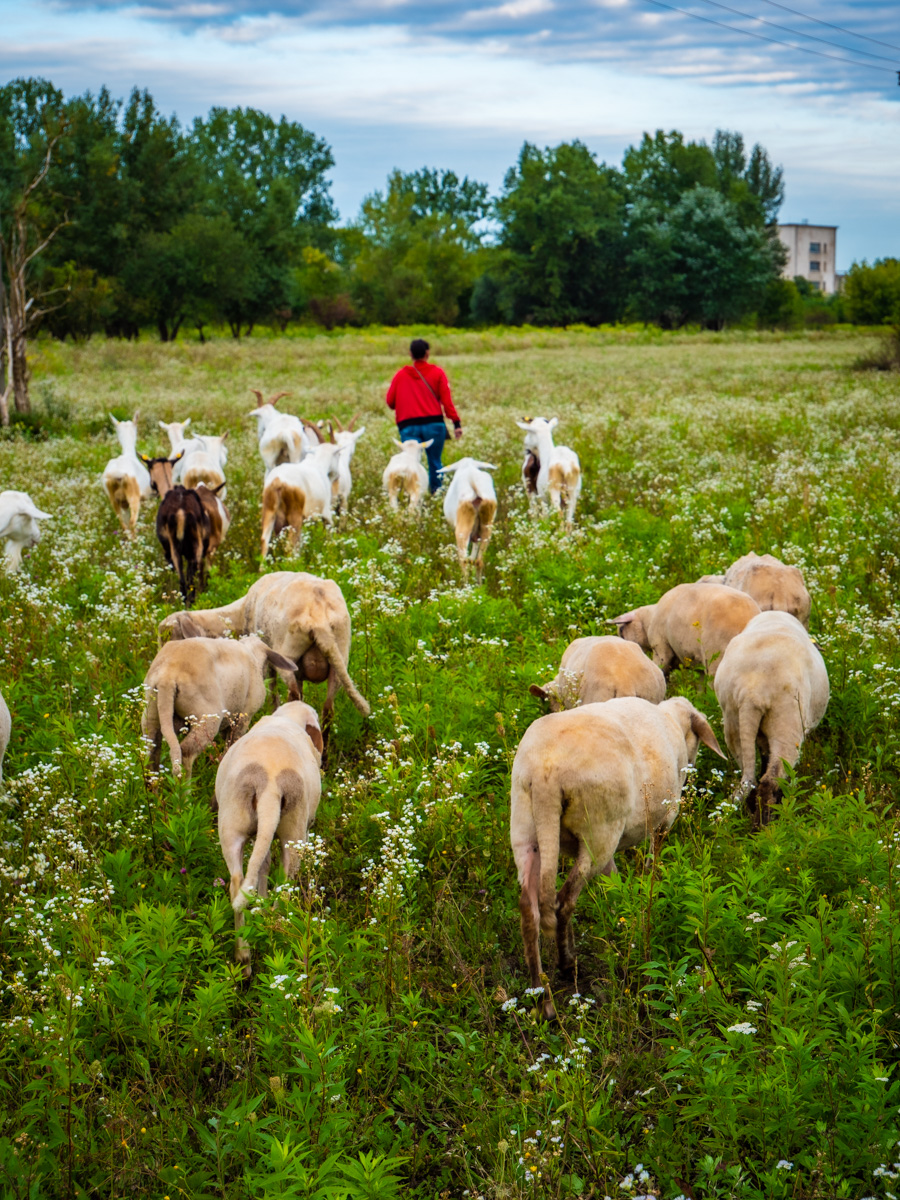
Oasis - hope for a new life, a non-profit organization was founded in 2005 near Košice in the part of Bernátovce in a place that looked like a garbage dump from which they gradually built a garden on their own during the years. It consists of the main building, hangars - a dormitory for the homeless, self build small houses, large greenhouses where they grow vegetables and fruit, a dog shelter, animals (pigs, cows, goats, rabbits, peacocks, chickens, cats). Clients of Oasis are people from the margins of society, wheelchair users, pensioners, mothers with children, drug and alcohol addicts, bedridden. In exchange for working 4 hours a day, they are offered regular meals and if they refuse, they go to the city during the day and come back again for the night. Clients either come on their own or are sent from the hospital or nursing homes, but Oáza members regularly go out into the streets of the city to find them and offer them help. As well as occupational therapy linked to caring for animals and growing vegetables, they work with music therapy as they have set up a music group at the Oasis with which they go to do lectures, but they can also join a running club with which they go to competitions. They also do regular therapy sessions where they talk in groups. Within Oasis they have set up a social enterprise called Integra with which they offer building outsourcing services and they employ around 7 people themselves to run the organisation. Work is the cure for them and they consider as the most important thing for these people to be able to integrate into mainstream social life.
POSITIVE PERSONAL EXPERIENCE
The creation of the Oasis was led by Mr. Peter Gombita's experience in 1998, when he lived in a guest house in Svidník, when he was left as a priest without a church and a rectory He was provided with a communist building in which they created a church and offices, despite the fact that at the beginning he did not even have money for a desk.
However, the strongest impulse came when a homeless man came to him before Christmas, begging for a place to stay, and he refused to take him in. On Christmas Day, an ambulance picked him up, fortunately with only frostbitten feet. But he took this event as a failure and that's when he thinks it all started. "Then when I was coming here - to the junkyard, I told myself that I imagined my old age differently, but there are also moments like that. Let's not be sad about what happened in life, because it should bring us to something and move us somewhere further, to something that we would not have experienced without," says Mr. Gombita.
More important than money, according to him, are good quality relationships and good health. His motivation is mainly the feeling that this work fulfills him. He perceives every meeting as giving him something positive, which he can carry on from it for others. "They probably gave me more than I gave them. They made my life better and more beautiful than anywhere else. I wouldn't change it even for the role of president," he adds. Oáza, according to him, is about human help which is mutual.
OBSTACLES AND HOW TO OVERCOME
This type of work would probably not be possible in the long term if they did not perceive obstacles as challenges. That is why Mr. Gombita talks about obstacles: "I don't know a thing that can't be done. Obstacles are for us to look for a way to do it. We must learn to live in such times. There is still much more to be done, but if I do the best I can, I will do it, and there is no more need to deal with what I could have done differently. One must always look for the how."
Nevertheless, there are problems with clients, as Oasis works with the most difficult groups of marginalised people. The process of healing from addictions is long, and often clients return to rehab. However, they are always looking for ways and ideas to pull them out of it, and thinking about what they can offer them that is stronger and better than alcohol and drugs to keep them motivated to keep living. The challenge is not to let them fall into disability and helplessness because of bad choices, which is expensive for society, among other things.
RECOMMENDATIONS, ADVICE
As there are several similar shelters for homeless people in Slovakia run by the Christian faith, Peter Gombita points out that although they seem to do similar things, they have different visions, ideas, talents, gifts. But since they are united by similar principles of freedom, goodness, love and patience, they know how to inspire and motivate each other. However, it is individual and as Mr. Gombita is saying: "there is no universal cure". Every environment is different and has its own pitfalls. When Oasis started, for example, they had to wait for approval, and did not receive contributions until the building had officially changed its purpose of construction to housing. They received an allowance for 60 clients even though they had 250. That is why he points out that it would be good to set the rules better and easier for this type of work. However, he understands that no one wants to deal with poverty because little success can be seen from it. "Freedom has to have rules," he adds.
PROMO
They use occasionally the market - they sell tomatoes, peppers, potatoes, cucumbers. However, they have also received offers to supply the schools with a regular supply of vegetables, but unfortunately, with poor attendance and the irresponsibility of their clients, they say they could not take this on. They also sell handmade produce at Christmas events but hardly make any profit from it, though it is good for socialization and visibility of the Oasis.
Oasis - Hope for a New Life, n.o. promotes itself spontaneously and mostly by being approached by the media from outside as their activities are exceptional. Not only because of the number of clients they are able to help but also because of the various innovative ideas to integrate them into society - music band, lectures, running club and races and so on.
FINAL SENTENCES
On what they are planning in Oasis in the next few years Mr. Gombita does not want to answer, as he believes that when a person speaks about things he is not sure about, he loses his power and things are constantly changing in time anyway. Despite this, he revealed that they plan to expand the path in Oáza to a bicycle path, and they would let the animals out on the weekends. People from the city could use this route, and clients would have the opportunity to socialize with people "from outside". He doesn't know if there is anything he is proud of because he sees what he is doing as his mission and he sees the people he works with as a certain source of strength that makes up the society.
According to him, the development of social agriculture should have happened a long time ago. "Many things have changed since the days of socialism, but the land hasn't changed, only the farmers. It is more based on freedom and it is hard work to set the rules to make it work well," he adds.

 EN
EN
 CS
CS
 DE
DE
 IT
IT
 PL
PL
 SK
SK