Agro sociálny podnik, s.r.o.
IDENTIFICATION OF THE CASE STUDY
Case study number: SK-03
Name of the farm/organization: Agro sociálny podnik, s.r.o. / Agro social enterprise, Ltd.
Title of the case study:
Save the human - you will save the world
MAIN DATA
Country
Slovakia
Year of establishment
2020
Target groups
- Disabled people
- Roma
- People over 50 who are struggling to get a job
Type of farm
Integrative social enterprise, primary production (vine planting, care, grape production - vine tending, basic work, all manual work associated with the vineyard)
Size (in hectares)
40 hectares and approximately 100 hectares in total can be managed within their technology
Numbers of employees from target groups
15
Number of members from target groups using services without employment
Approximately 200 people per year - occupational therapy as part of their offer to companies whose employees are at risk of burnout
Sources they live from
Own resources, production activities - vineyard establishment, treatment, works, compensatory contributions of the social enterprise.
Innovative / not innovative
Innovative
Websites
www.2343ec78a04c6ea9d80806345d31fd78-gdprlock/AgroSocialnyPodnik
DESCRIPTION
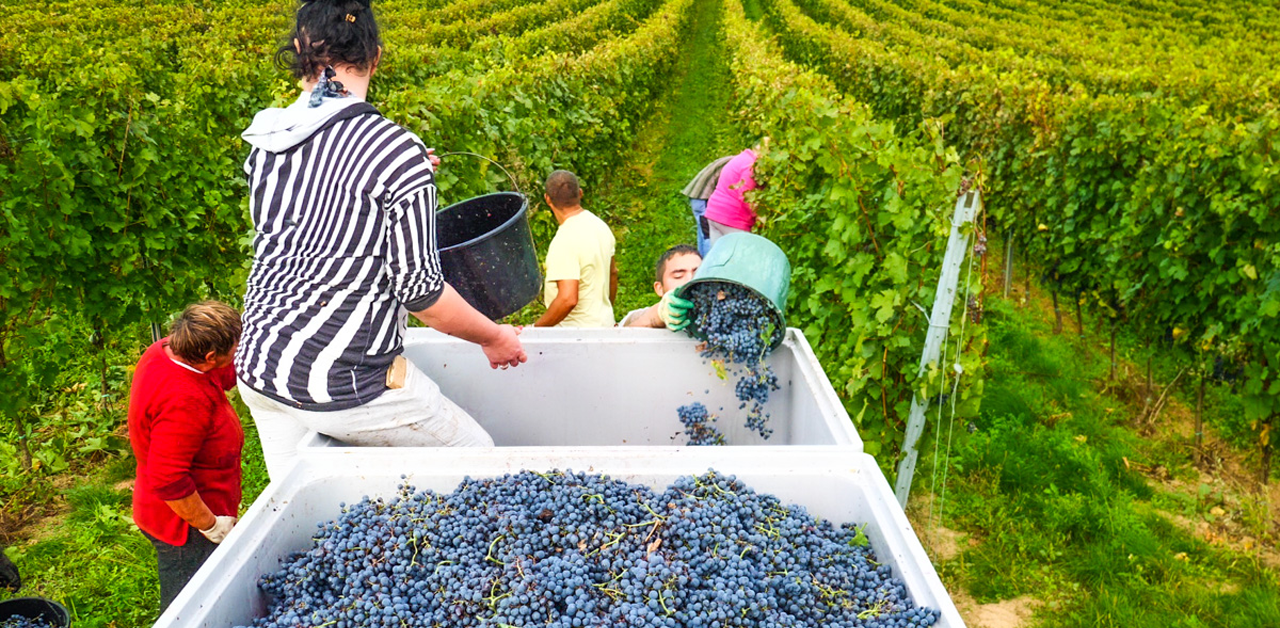
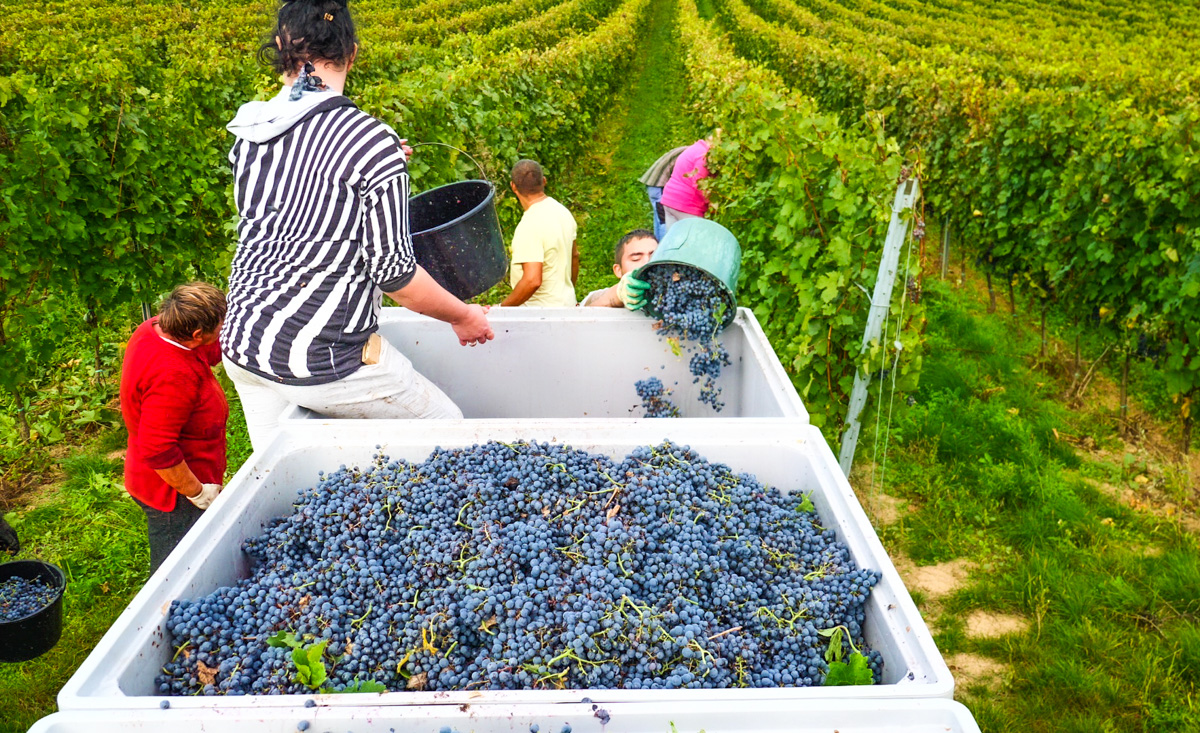
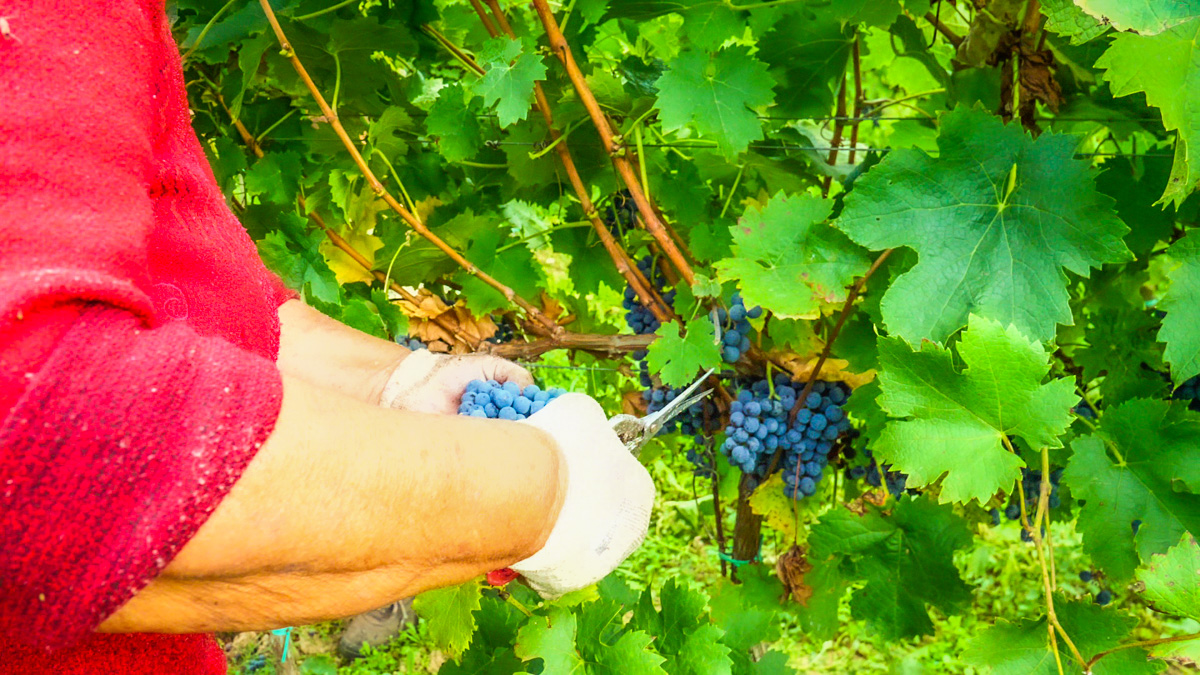
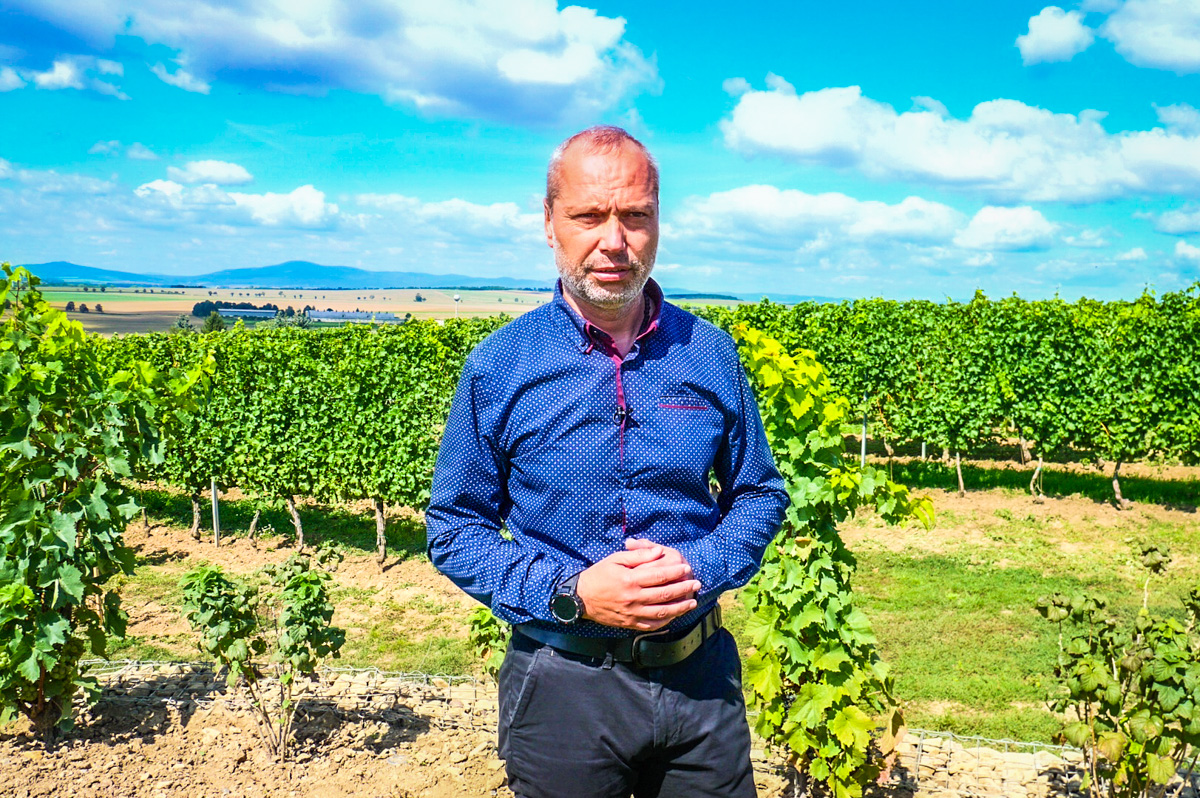
Agro Social Enterprise was established in 2020 as an integrative social enterprise in the village of Tajná in the Nitra region. The idea of this enterprise is to employ and integrate disadvantaged people, Roma or elderly people who are no longer in demand on the labour market, in short, people "from the margins of society", who are helped to integrate into the work process and society. The subject of their activity is primary production - simple manual work such as planting vines and caring for them, as well as all other work connected with the vineyard - they are a supplier for Tajna wine, but also for other associations for whom they provide vine care. They offer these services to the public. Despite the fact that manual work will never be completely innovative and will not advance society technologically, they call themselves an innovative enterprise since, in addition to connecting a hard-to-employ group of people with work, they are returning to the basic and gentle handling of the land by manual work that is more respectful of nature (they treat without herbicides or pesticides). They live from their own resources, from the services they offer and they also receive compensatory contributions of social enterprise. In a case study, we spoke to one of the founders, Mr. Martin Kutálek.
POSITIVE PERSONAL EXPERIENCE
The impulse to establish this enterprise was for Kutálek the combination of the vision to reshape the landscape in a friendly way and the desire to help people who are no longer interesting to employers or who themselves have no desire to work in a traditional job. "We have companies on the market that are founded only for the purpose of profit - the assumption is that the people who work for that company have a certain capacity for as long as they are interesting to those companies, and when they stop being interesting, they find themselves marginalised and not interested for society. The idea to start a company came when Slovakia was flooded with car mania," he says.
He is motivated by a good feeling and the idea that it makes sense for future generations - not to leave only concrete surfaces that would increase the greenhouse effect. He considers the biggest success of the company to be the creation of about 300 jobs and that the chance they gave to those people was turned into a better life. "Along with giving people a chance, we are also giving chance to a nature," he adds. "We've taught a lot of people to eat with cutlery, to spend only what they earn, we taught people to do it with a scythe and we had to convince them that it is better. We may have gone back in time, but we innovated to keep certain things - meadow flowers, herbs. Nature "breathes" better with a scythe than with a brushcutter. It is maybe much difficult than teaching people how to use a smartphone and the technology of the time, but it's worth it," says Kutálek.
OBSTACLES AND HOW TO OVERCOME
Mr. Kutálek sees the biggest obstacles in working with clients in their problems with foreclosures. "They burden us, but we simply have to deal with them," he says. "When we get young people, we need to teach them work discipline. And we teach the older ones to manage their money," he adds.
The challenge for them is the legislative sector: “we have to move within certain barriers - that's the challenge - fitting in. It can only be overcome by believing that I am doing the right thing. Also, the uncertainty of the prices that go into production is an obstacle," he adds.
The current state of social farming in Slovakia is also not business-friendly. "Social farming is in its infancy in Slovakia, while it is more widespread in the European Union. If within 10 years we would reach the level of an average country or at least a below-average EU country in this business, in terms of the adoption of legislation, the creation of business plans, of things that are related to the possibilities of social farming within the framework of integration, in the field of cooperation with clients, - that would be a success," says Kutálek.
RECOMMENDATIONS, ADVICE
Mr. Martin Kutálek would like to advise other farmers "to protect themselves from burnout and to be assertive in the sense that if they become recipients of EU funds, to persevere. To go after their goal. It's not a simple business activity - you have to take that into account."
He would advise potential farmers who are still considering this direction to ask for the advice of more experienced people from practice. "They will perceive those things more openly and perhaps more realistically understand how to grasp the issue. Maybe it will give them a kick-start, or they will consider their real abilities and capabilities and whether they have the capacity to do it."
PROMO
Since they primarily offer services rather than products, they try to present their work and the possibilities they offer through social networks, the web, LinkedIn, sending newsletters. Every year they do a small campaign to reach out to potential employees from the fringes of the company.
As part of their services, they offer help to vine growers, fruit growers and help for farmers with short-term work. They arrange for the delivery and transport of their workers to a designated location with a full day's supervision by a supervisor and take responsibility for the safety of their work.
For companies whose employees are at risk of burnout, they offer team-building opportunities in which they are involved in manual work in the vineyard. Although it is not easy to explain manual work to people from the office every time, they welcome around 200 people a year for occupational therapy in the nature.
FINAL SENTENCES
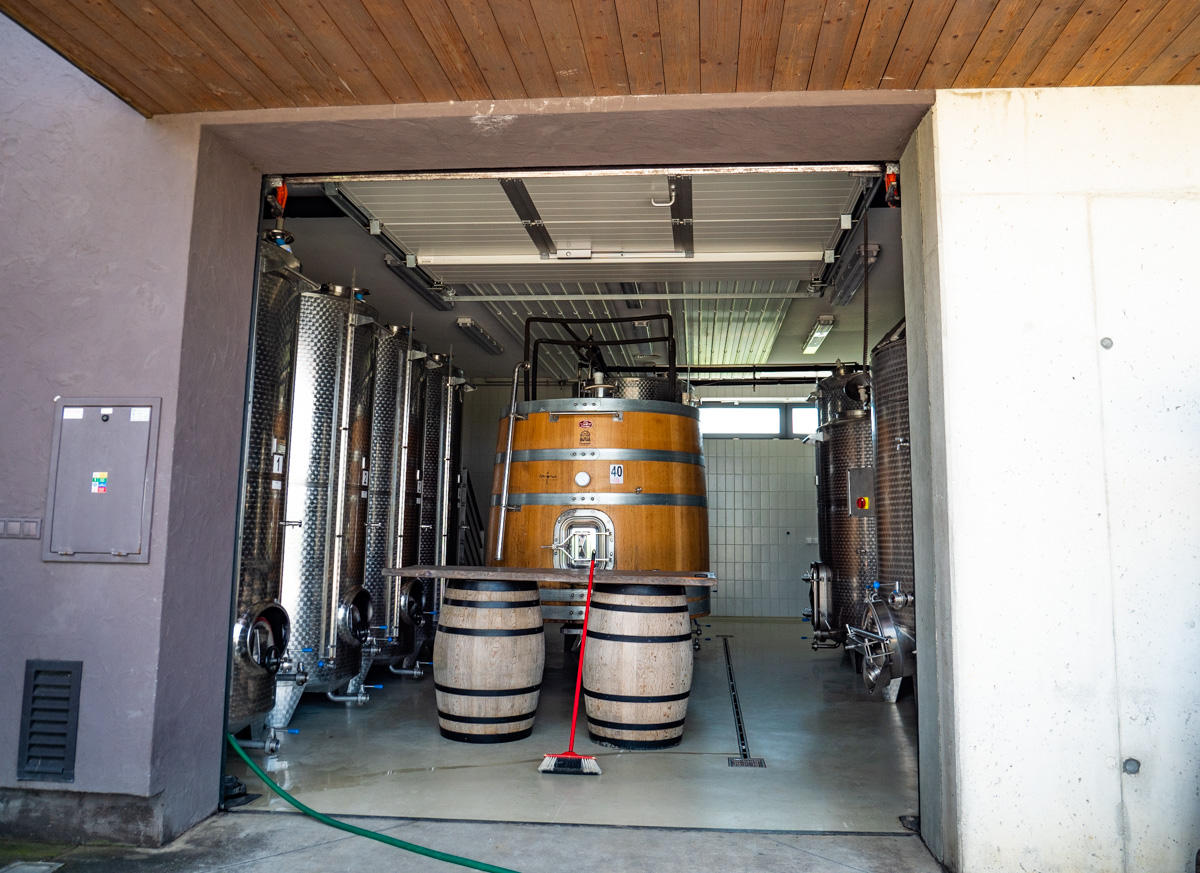
The Agro social enterprise plans to mainly keep jobs in the future, and start with secondary production as well. As an agricultural entity with primary production, they are not in a position to apply for investment aid, so they are looking for other ways to cover this. They have currently invested in the purchase of buildings, where they would like to have a technological rooms, thanks to which they would be able to offer the possibility of further processing of the grains as waste from the vine - through oils for the gastro or dermatological industry. They would also like to start growing small berries.
He feels most proud of how many human stories. "We give people a chance. Maybe not the first, not the second, maybe even the eighth in their lives, and they kick-start themselves at that chance. The ex-employees I meet on the street who are now successful are many. There's nothing better than giving a person an opportunity. And when that opportunity combines with a successful continuation in life, it's great. Save a human - you will save the world," says Martin Kutálek.

 EN
EN
 CS
CS
 DE
DE
 IT
IT
 PL
PL
 SK
SK