Agro-drevinový ekosystém BBSK
IDENTIFICATION OF THE CASE STUDY
Case study number: SK-02
Name of the farm/organization: Agro-drevinový ekosystém BBSK, s.r.o., Rovňany / Agro-woody ecosystem of BBSK, Ltd., Rovňany
Title of the case study:
Innovation by returning to the roots
MAIN DATA
Country
Slovakia
Year of establishment
2019
Target groups
- Long-term unemployed
- Disabled people
Type of farm
- A social enterprise whose founder is a self-governing region
- Crop production - fruit / vegetables (primary production, without chemistry) + beekeeping
Size (in hectares)
10,5 ha - the company uses 4 ha, the Poltár Secondary School manages the remaining 6,5 ha
Numbers of employees from target groups
12
Number of members from target groups using services without employment
0
Sources they live from
Resources from the higher territorial unit and from the European Structural and Investment Funds
Innovative / not innovative
Innovative
Website
DESCRIPTION
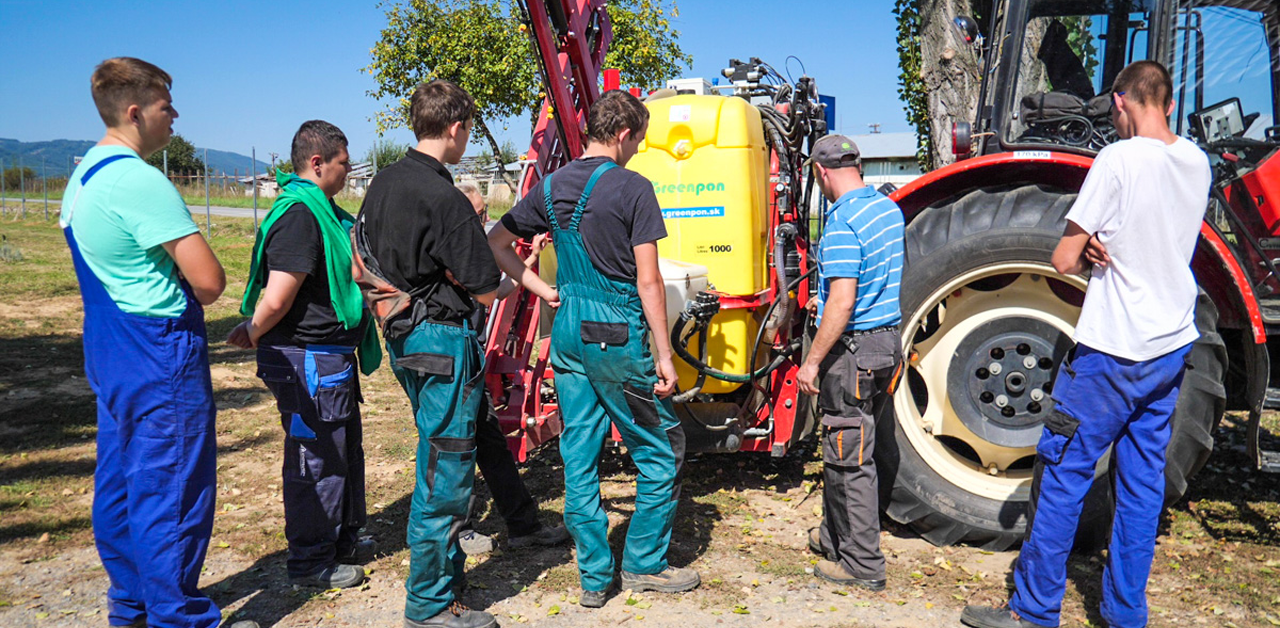
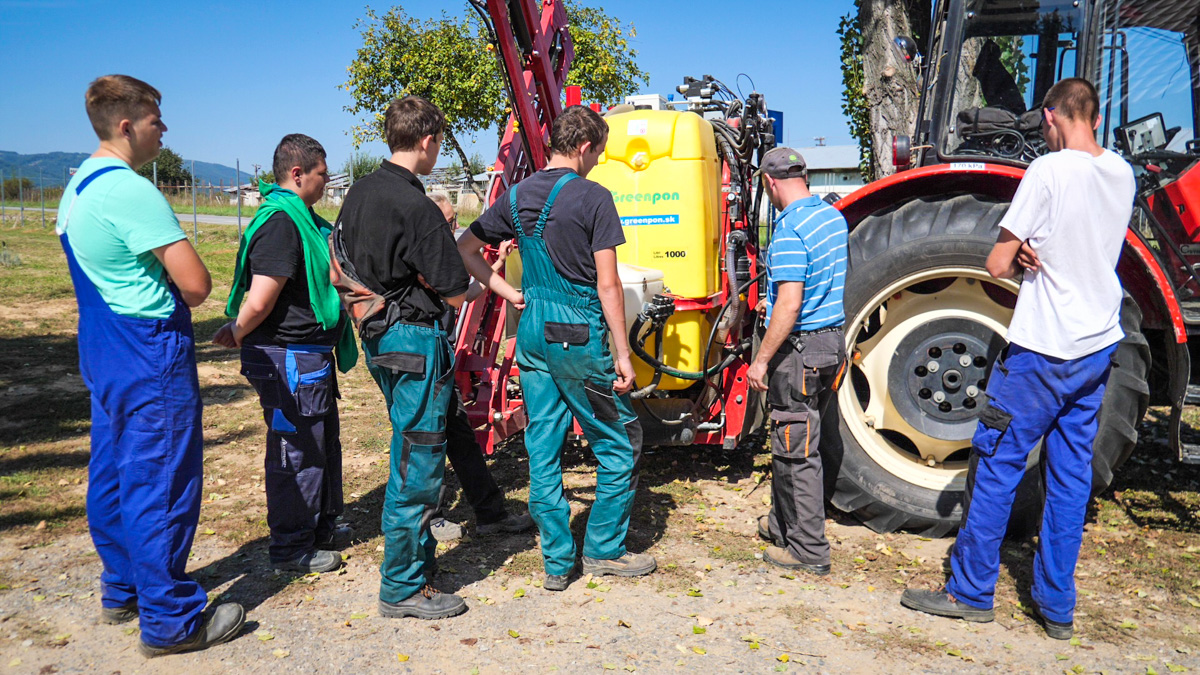
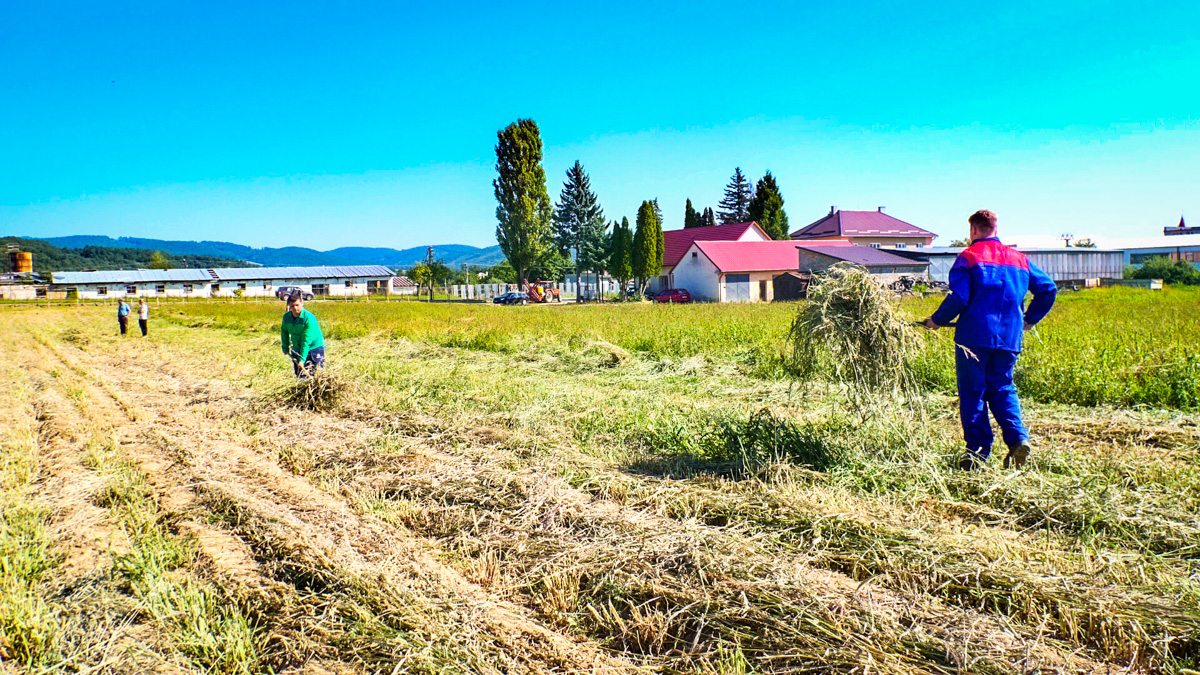
Agro - drevinový ekosystém BBSK, s.r.o. is a social enterprise, the founder of which is the Banská Bystrica self-governing region. In 2019, it was founded in the village of Rovňany by the company's managing director Mr. Milan Vaňo, with whom we also talk in this study. On more than 10 hectares of land, they are primarily engaged in crop production, which is dominated by the idea of locality (growing fruits and vegetables that were natural in the area) and primary production without the use of chemistry. The farm also includes the preservation of a genetic station of old varieties of apples and pears and the rearing and breeding of bees, which they sell to other beekeepers. From the beginning, they have employed long-term unemployed and disabled people, who are selected through the community centre rather than the job centre, as they try to identify the people who need it most – single mothers or families with children. These people are used to working because when the glass factories closed in this district, 90% of people lost their jobs. Most of them have been unemployed ever since. The enterprise also cooperates with the Secondary Vocational School in Poltár, whose students farm part of the land as part of their practice. They are returning to their roots through a combination of careful farmland management and tree cultivation.
POSITIVE PERSONAL EXPERIENCE
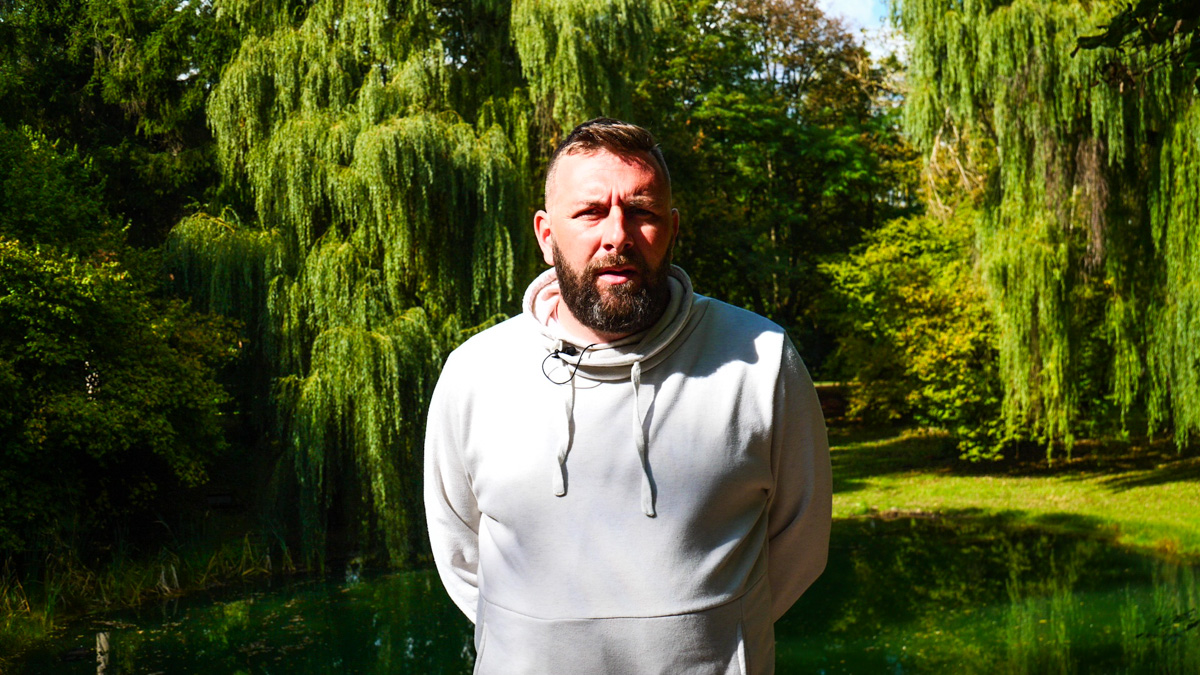
The idea to do this type of farming came naturally, as Mr. Milan Vaňo has been working with marginalized communities for a long time since high school. He taught at a Roma school and wanted to show society that these people can also perform well, they just need guidance. "The motivation was just working with these people as I am a heavy anti-racist and pacifist and I find injustice against people very uncomfortable. Plus the environment. I'm a trained landscape architect and I find the landscaping as it currently is dehumanising. I want to connect the social aspect with the landscape so it can survive for generations to come. I feel that most people who work in intensive agriculture think about themselves and at most a few people. The land can regenerate, but if we destroy it, nobody will benefit. I am not a supporter of the type of farming we are doing in the Slovak Republic," says Vaňo.
He already had experience with social farms, as he co-created one in the small village of Súdovce with a high unemployment rate. It was here that he encountered a great deal of dishonoring of the land by the Dudince Cooperative. They used monoculture, chemistry in cultivation, which resulted in eczema in the people. This was also an incentive to create something sustainable.
The impulse to include disadvantaged groups of people in the work was the adoption of the law on social economy, in which he participated and currently became the content guarantor of this topic within the state. Vision of supplying local food to the facilities of the Banská Bystrica self-governing region was also part of the motivation.
OBSTACLES AND HOW TO OVERCOME
As everywhere in recent years, the biggest obstacle is the weather - torrential rain or too much drought. They are trying to cope with this situation by building a water retention system. "We are able to retain water not only in the fields or within the orchard, but also from any buildings that are on the property. We have created an underground 20,000 liter reservoir and we are returning water to the soil by watering, which is the alpha omega on the basis of climate change." They are also creating a better climate by planting trees themselves and saving native varieties, which also improves the soil conditions by providing a better supply of bacteria to the root system. Unfortunately, however, there are parasites in the orchards and they are currently looking for ways to eradicate them without using the use of chemicals. Bee-keeping is also an important element in improving the climate. They currently have 24 colonies of bees, which they are going to get a wagon to take them out for grazing.
Most employees come to the company with debts and foreclosures. "We deal with these right from the start with the bailiff - either personal bankruptcy or repayment plans. Otherwise there are hardly any problems with them. They like coming to work, they feel good there," says Vaňo. By working with vulnerable groups they emphasise the need for an individual approach: "in order for us to be able to help them, we need them to trust us and to open up to us. We also try to lead them to see that they are a unit, like a family, and they have to protect each other," he adds.
RECOMMENDATIONS, ADVICE
After years of working with excluded communities, the advice for other farmers is from Milan Vaňo: "A lot of patience and empathy." He also adds that elements that could be called innovations (water retention system, beehives, tree planting, organic preparations) should be a matter of course for farmers in times of climate change, and "every farmer who wants to leave something for other generations and doesn't think only of himself should do so."
He would like to advise the state: "to be more accommodating to people who are interested in land. The Slovak Land Fund should not create pricing as if we were selling abroad. Development will come when there is access to land. Agriculture cannot be done without land."
Without financial support, it is difficult to compensate for poorer work performance on social farms, and this can discourage many. As another important factor, he therefore mentions the anchoring of the legislation, which has been fought for a long time with the Department of Agriculture. "If we have well-set legislation regarding the support of social agriculture, development can only go ahead, because even in the context of climate change, we still have the advantage in Slovakia that there is enough land, whether it is groundwater or soil, we just need to treat it better and, most importantly, we need to be able to get to it. There are positives, but a lot will depend on the legislation and on the enthusiasts, on the NGOs or working groups."
PROMO
They do not use any forms of sales, as what they produce goes to the kitchens of secondary schools, to the Home of Social Services and to the facilities under the jurisdiction of Banská Bystrica self-governing region. They use marketing (in terms of occupational therapy, employment of people, integration, or innovation in cultivation) only when they are approached by someone from outside.
FINAL SENTENCES
In the coming years, they plan to devote more attention to the development of bees and to forms of therapy – api houses and beekeeping therapy. They also plan to improve their water retention system, develop organic pest control products, as well as expand the production of raspberries.
Milan Vaňo is most proud of his employees. He says, "they are fulfilling a potential they thought they didn't even have anymore. They have integrated themselves into the work process and even managed to make the inclusion to the disabled. And it is admirable that a person who has been unemployed for a long time can still provide help to other people," he adds. He would like to enable these people to visit farms abroad in the future thanks to fund schemes. "I'm also proud of the fact that we've saved something that somebody created here from a historical point of view and that's the genetic station that we're trying to develop." As for the work for the office: "my vision is more competence for the regions, better decision-making rights but also more responsibility. Also to push elements of practice into this work."

 EN
EN
 CS
CS
 DE
DE
 IT
IT
 PL
PL
 SK
SK