Gospodarstwo opiekuńcze - tuchola
IDENTIFICATION OF THE CASE STUDY
Case study number: PL-05
Name of the farm/organization:
Gospodarstwo opiekuńcze – Tuchola / Social Farm - Tuchola
Title of the case study:
Big traditional farm with social farm activities
MAIN DATA
Country
Poland
Year of establishment
1997
Target groups
- Disabled people
- Elderly people
Type of farm
Livestock and crop production forestry
Size (in hectares)
49 ha, of which 6 ha are forests
Numbers of employees from target groups
0
Number of members from target groups using services without employment
Groups of 5 people come there from Monday to Friday
Sources they live from
Selling their products
Innovative / not innovative
Not innovative
Website
www.opieka.kpodr.pl/pl/gospodarstwo-opiekuncze-tuchola
DESCRIPTION
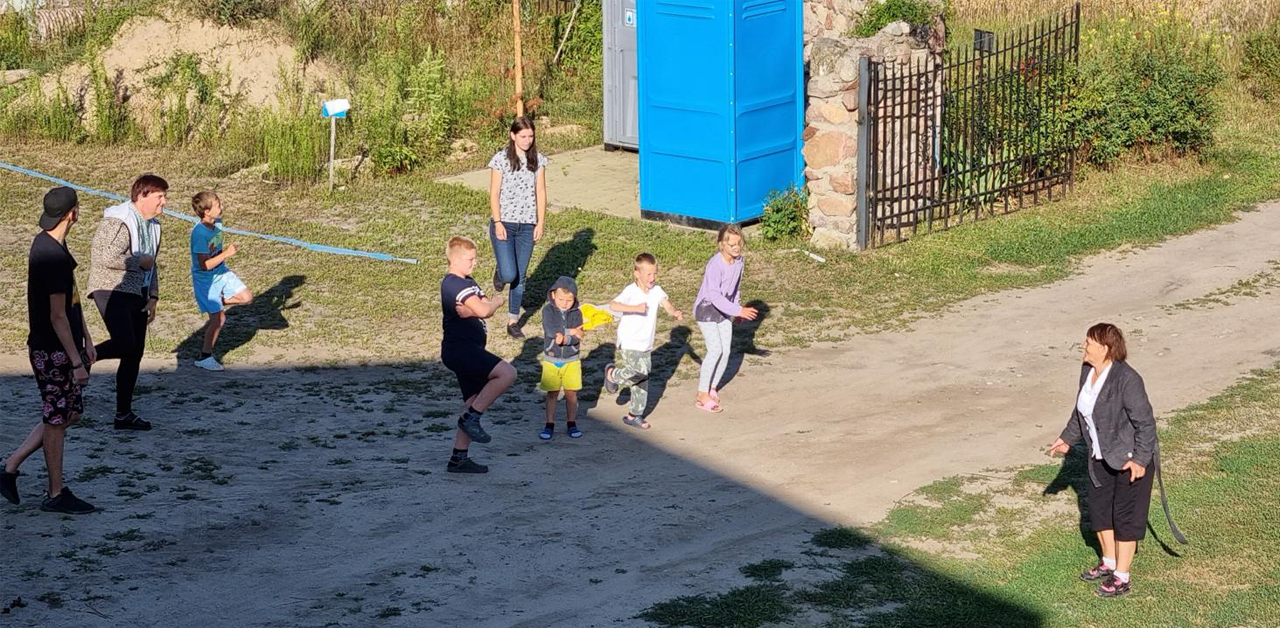
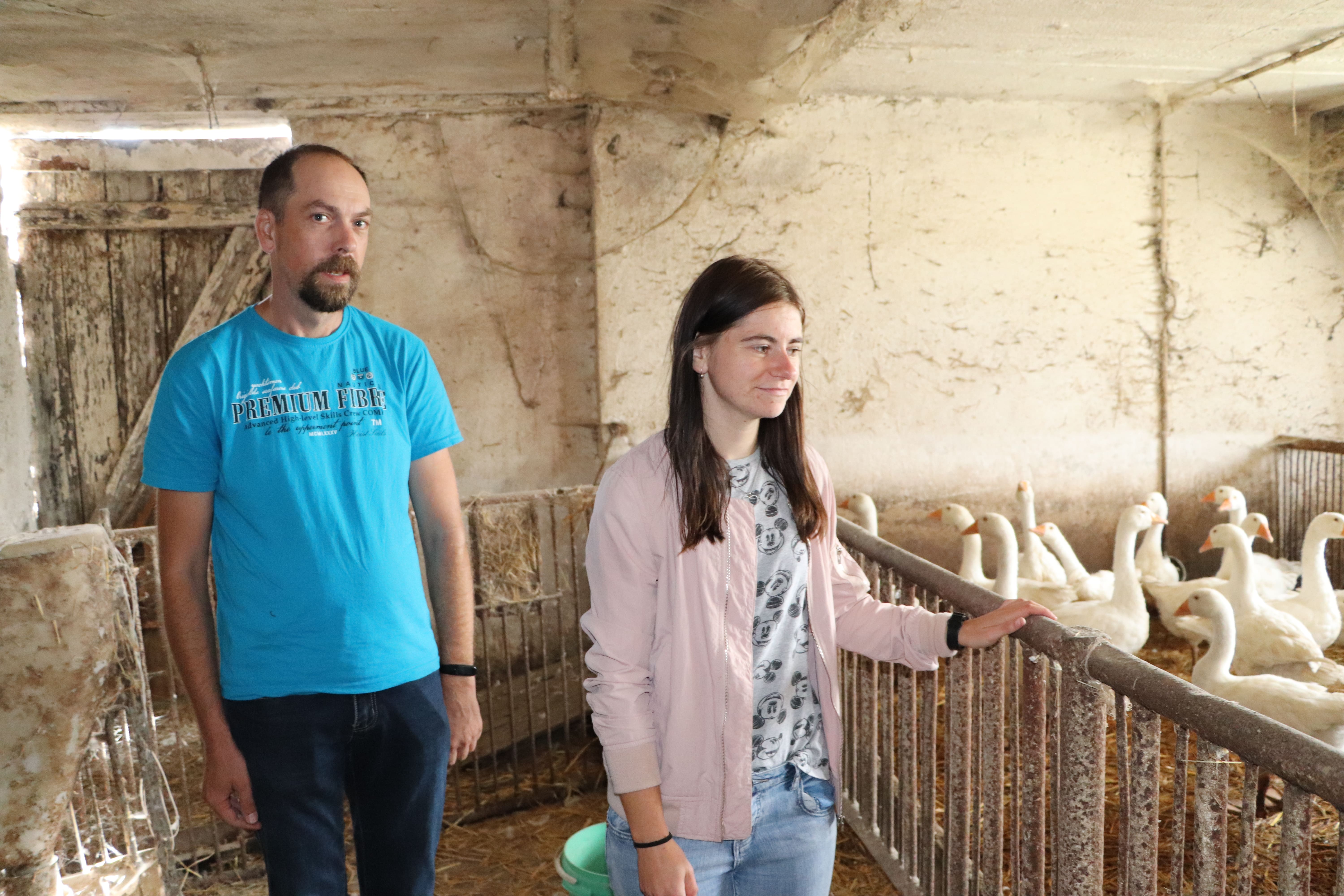
The social farm in Tuchola is owned by Mrs. Elżbieta Augustynska. It’s a 49 ha farm, established in 1997, which is also used by her to host seniors and mentally disabled people. It is located at the border of the Brda River Valley Reserve, next to the Landscape Park. Mrs. Elżbieta’s farm is one of the few farms that have retained their original character and have a very diverse number of livestock. Around the farm itself there is 6 ha of forest land, which is a perfect natural resource for outdoor activities. The farm provides everyday care for a rotating group of five people, on every workday, from 8:00 am to 4:00 pm.
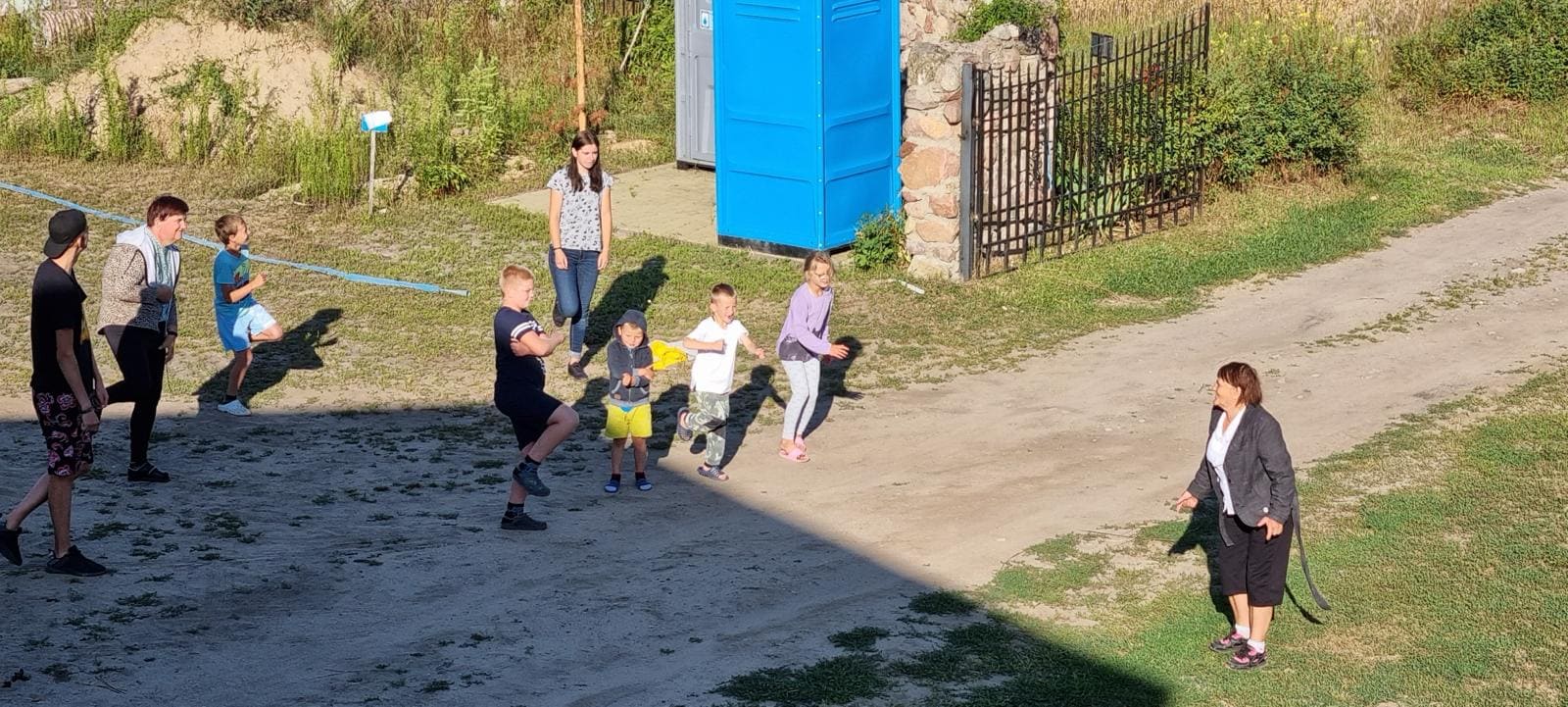
The outdoor activities in the summer help the mentally disabled attendants to develop people skills, reach their goals and get fit physically. During winter, they also have many indoor fitness equipment such as massage balls, stationary bicycles, rotors etc. since it’s very important for them to stay active throughout the whole year. All the equipment is adjustable to the needs of their guests. This is one of the core activities they promote because of mrs. Augustyńska’s motto: “Healthy body, healthy mind.”
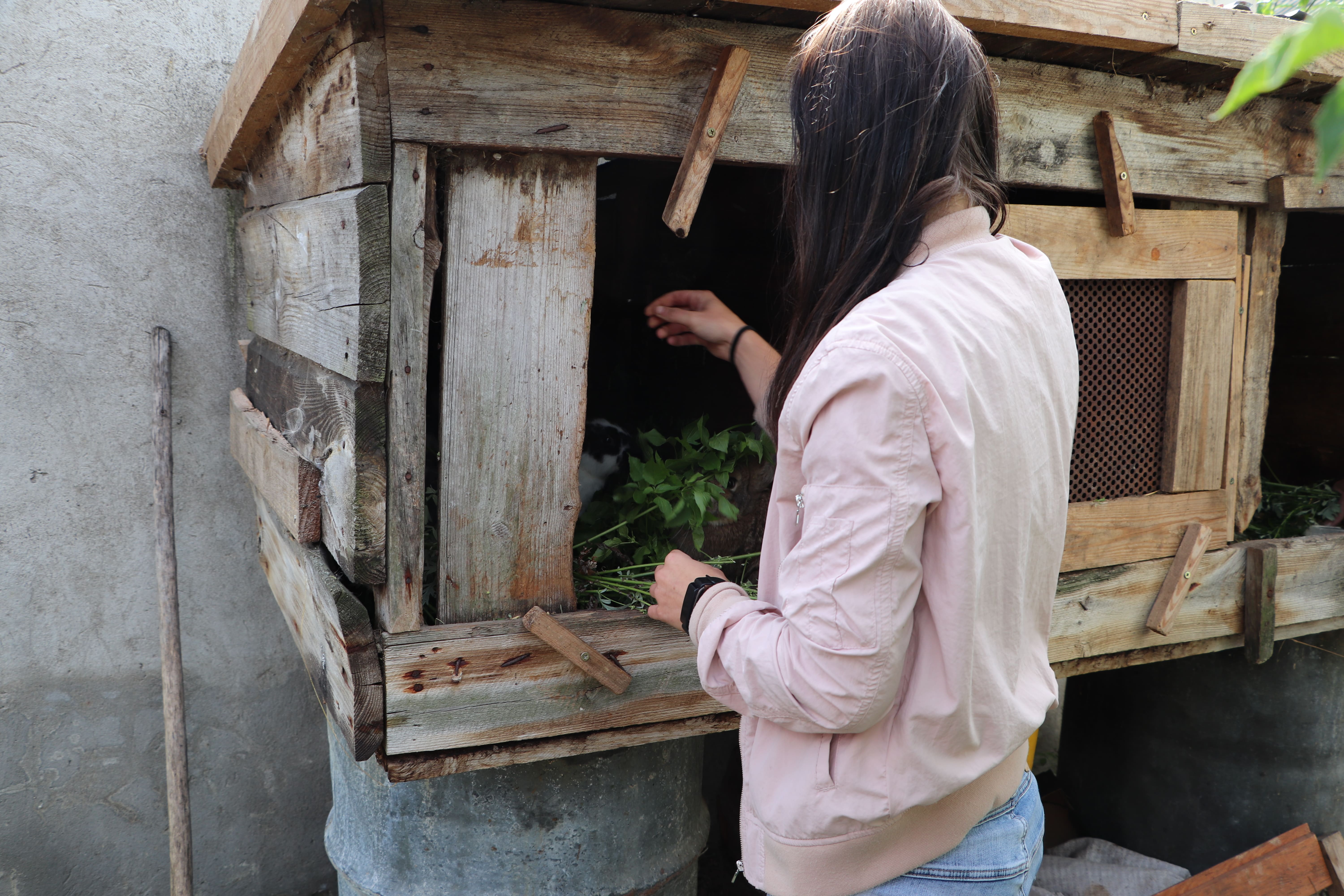
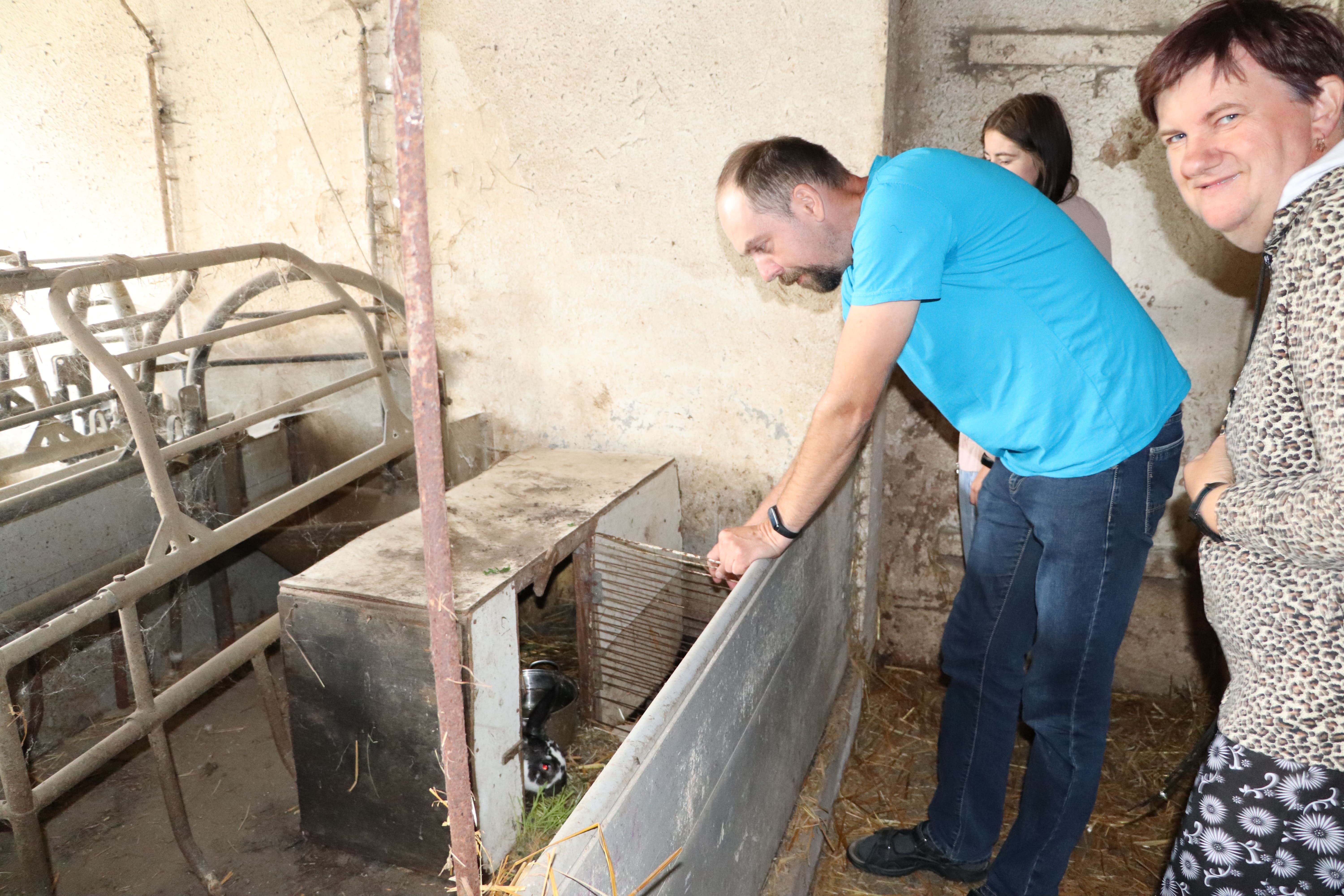
Part of the activities, that are being used as a form of therapy for the attendants is the care of animals at the farm, gardening or harvesting fruits and vegetables. When the weather is bad, there is always a possibility to sit inside, chat, play board games, cook together or do handicrafts.
POSITIVE PERSONAL EXPERIENCE
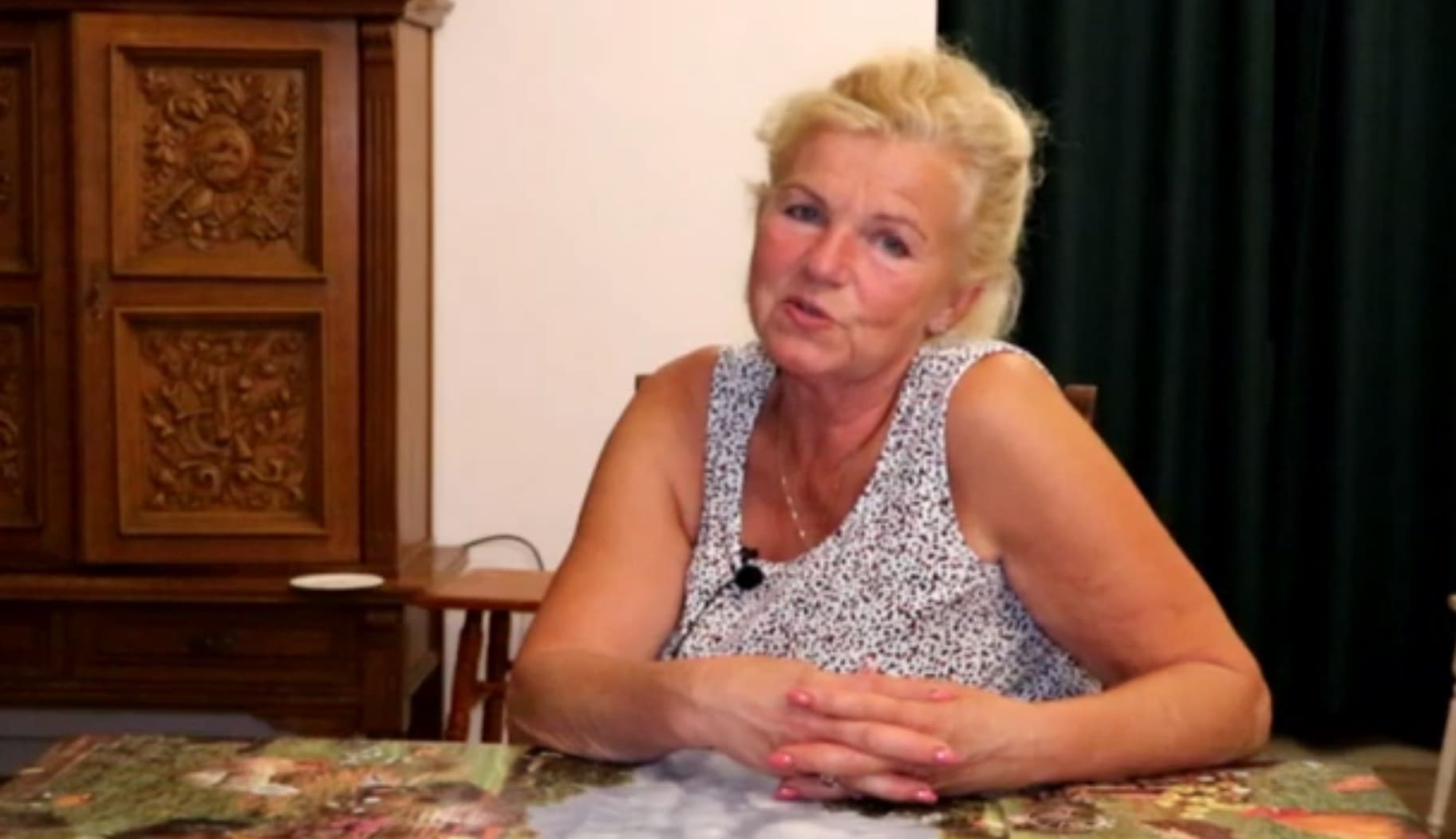
There are mainly two people working on the farm who have a professional background for this. Mrs. Elżbieta Augustyńska, who is experienced in caring for the elderly and disabled since she has cared for a blind person for more than 10 years. Second one is mr. Adrian Frelke, who has been caring on an ad hoc basis for an elderly person who is lying down and requires total support from another person. Both of them have had a desire to be involved with the elderly and disabled for many years. Family members who needed such help motivated them to also take care of people who unfortunately don't have such help or don't know how to spend their free time, of which they have so much. After many years of work with elderly and disabled, they say, that the most encouraging to continue this work is the effect they see on the attendants of their social farm. One good example was mrs. Marzena who had a big problem with obesity and got help at the social farm. “We motivated her every day to walk 15 thousand steps and at the beginning we went every step with her to support this activity.” Mrs. Marzena has not given up and kept walking the same amount and more every day. She has lost a lot of weight since she joined the group which helped her functioning on her own day to day.
OBSTACLES AND HOW TO OVERCOME
After years of working in this field, mrs. Elżbieta says, that in working with the elderly and disabled, a holistic approach is important: “To work with such a target group and help them in a way that is tailored to their needs, you need to focus on both physical needs and mental needs.”
Mrs. Elżbieta was telling their story about the convertion of her farm: “When the decision was made to convert the farm into a social farm, the need first arose to renovate and adapt the entrances and rooms to accommodate people who walk on crutches or use a wheelchair. Of course, after a short time, another challenge arose, not so much financial as educational.”
Consequently, employees and volunteers working at the social farm had to get training in psychological and therapeutic assistance to this target group. However, the farm owner emphasizes, that this is not something that can be learned in a single course or only in theory. In such work, there is a need for continuous learning. She says: “Every person is different, with different experiences, experiences, problems, unprocessed traumas, other fears and illnesses.” So there is a need for a holistic but individual approach to each person attending Mrs. Elżbieta’s farm activities. This is a challenge that the farm's volunteers and staff have faced on a daily basis for years.
RECOMMENDATIONS, ADVICE
Mrs. Elżbieta and Mr. Adrian recommend never stop learning because a person should learn throughout life and the personal development of caregivers and volunteers is the first condition for the development of people who attend farm activities. It is necessary to approach things humbly and realize that we are not the smartest in every subject.
Mrs. Elżbieta: “At times when we don't know how to act or how to help, it's better to read up, get more training or ask someone who has more experience in that particular issue than to try to help without knowledge or idea of the subject. In this way you can sometimes even do harm” Her advice is therefore to be serious about helping those in need.
PROMO
Mrs. Elżbieta promotes her care farm by traditional means through word of mouth in the area. However, she also advertises on the official website of the Kujawsko-Pomorskie Agricultural Advisory Center, which describes care farms from across the region, on the Tuchola County portal and has a Facebook page.
FINAL SENTENCES
It's hard to say what the goal is. Mrs. Ela tries to seize each day and make the best of it. Mrs. Ela's main focus is on those people who regularly attend farm classes. After years of assistance, great progress and great development can be seen in these individuals. This gives incredible satisfaction to Mrs. Ela's activities and motivates her to continue.

 EN
EN
 CS
CS
 DE
DE
 IT
IT
 PL
PL
 SK
SK