Gospodarstwo opiekuńcze zielona opieka
IDENTIFICATION OF THE CASE STUDY
Case study number: PL-03
Name of the farm/organization:
Gospodarstwo opiekuńcze Zielona Opieka / Social Farm Zielona Opieka
Title of the case study:
Agristourism turned into social farm
MAIN DATA
Country
Poland
Year of establishment
1978
Target groups
- Disabled people
- Elderly people
Type of farm
Dairy cattle and poultry farming, agrotourism
Size (in hectares)
6 ha
Numbers of employees from target groups
0
Number of members from target groups using services without employment
6 people at a time in rotating groups
Sources they live from
Selling their products
Innovative / not innovative
Not innovative
Websites
www.opieka.kpodr.pl/pl/gospodarstwo-opiekuncze-legbad
DESCRIPTION
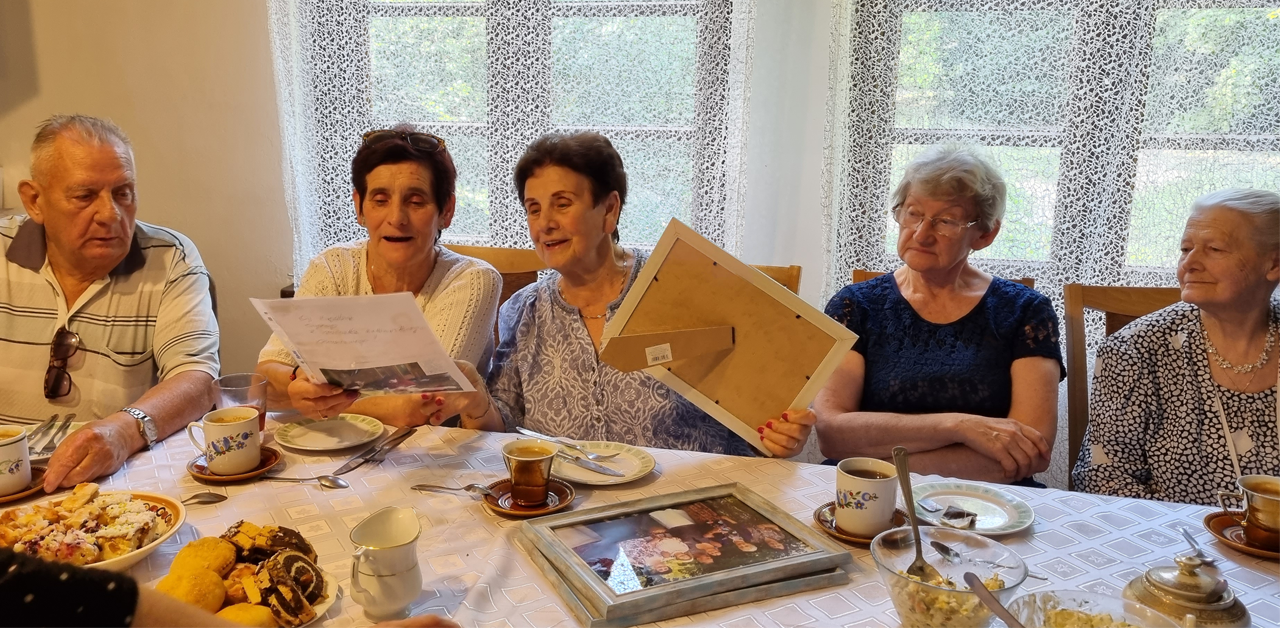
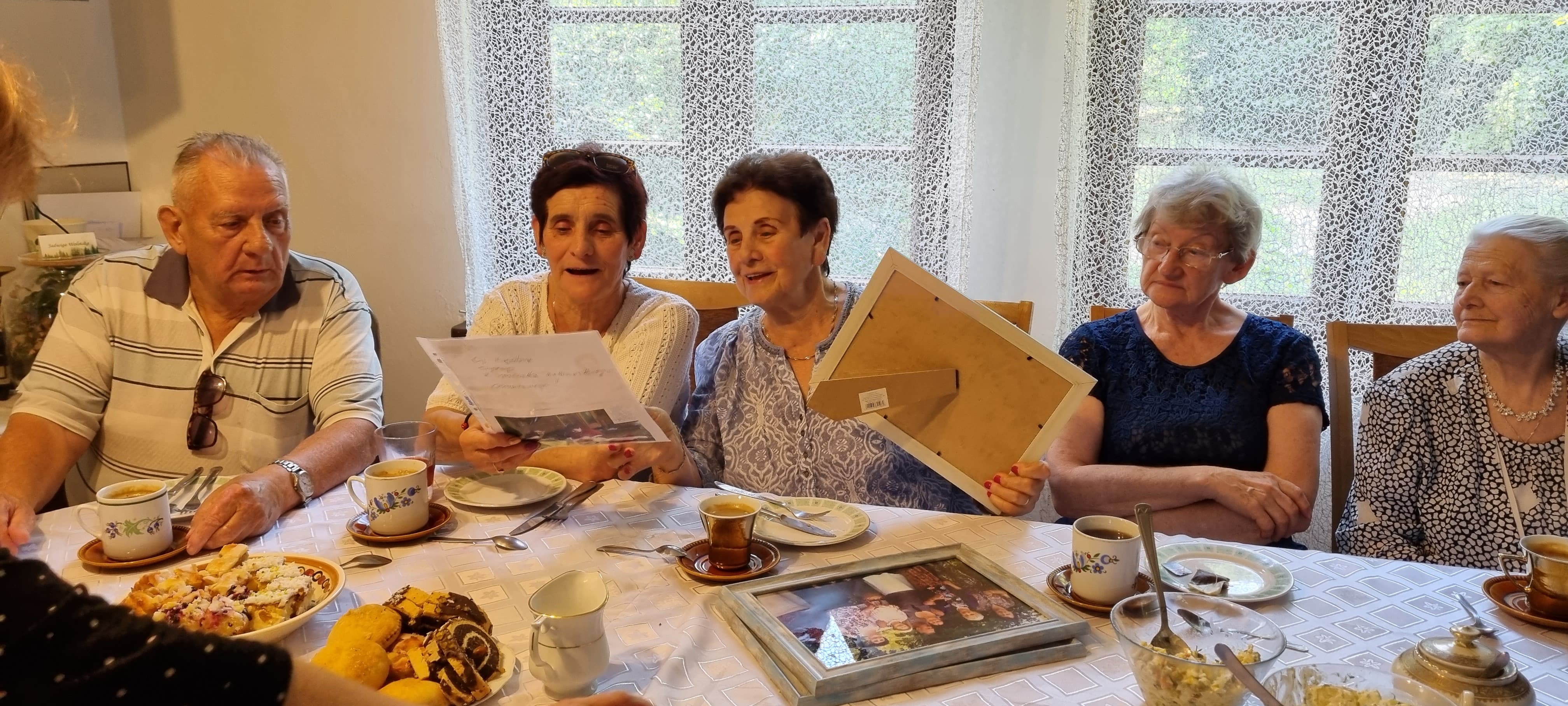
The selected care farm is more extensive than others in Bory Tucholskie because it is located in two places. The two locations of the farm are Legbąd and Koślinka. Among other things, the owners of the farm carry out agritourism activities at these locations due to the ideal natural conditions surrounding the farm. Guests and people in need who visit Koślinka have a chance to get away from everyday life in the city or within their own four walls through contact with pure, untouched nature. The farm's activities are simple, uncomplicated because, as Ms. Jadwiga says, "People don't need a lot to be happy." Guests therefore have the opportunity to go mushroom picking, take walks in pleasant company or alone, but also to spend time in an active way inside. Ms. Jadwiga, together with volunteers, organizes joint baking of cakes, crocheting or other handicrafts, which greatly enriches the daily life of local seniors and guests from far away.
And the second facility is located in the center of Legbąd, which allows guests to get to the facility more easily and at the same time experience the same pleasant moments in the company of the staff and volunteers of the Zielona Opieka farm. Both facilities are adapted to the needs of the disabled or elderly. There is a kitchen and rooms for resting if needed.
There are many different activities, starting with having breakfast together, talking about interesting topics, knitting and taking evening walks together. This allows guests and participants to learn new skills but also to simply spend time together in a pleasant way.
POSITIVE PERSONAL EXPERIENCE
The social farm Koślinka/Legbąd was part of the project “Zielona Opieka” which helped a lot to develop their activities. They consider their activities as a success whenever they hear a positive feedback from the participants. After finishing the project Zielona Opieka, they organized an event summarizing their efforts and successes. All 18 participants from this time (3 groups of 6 people who each attented the farm for a half year) expressed their big gratitude for being able to come to this place and to spend their sometime lonely time with valuable people.
Mrs. Jadwiga Wolińska has always been engaged in activities connected to social farming. She and her husband lead their farm for almost 40 years, and an agritourism farm for 20 years. She also works as a caretaker at the village community center in Legbąd, and is currently the chairwoman of the Village Housewives' Circle. All those activities lead her and her husband to make it an official social farm on paper. The convertion from a regular farm and agritourism farm to a social farm has allowed them to develop their acitivies and offers for those who need it most.
Both their attitudes, their will of helping people and their experiences motivated mrs. Jadwiga, her husband and mrs. Ewa to make use of their agritourism farm and transform it to a place which will be a safe haven for elderly and disabled people.
OBSTACLES AND HOW TO OVERCOME
The challenge was to shift from agritourism activities to care activities. To this day, it is still sometimes difficult to care for both an agritourism farm, which, as everyone knows, requires a lot of work in itself, and a care farm, which also requires total commitment. Automatically, the need for more people to embrace both sectors of the farm arose. From the beginning of her caregiving activities, Mrs. Wolińska began accepting volunteers willing to help. This led to the involvement of Ms. Ewa, who became a volunteer for an extended period of time. In addition, new volunteers came every now and then to help in both sectors.
RECOMMENDATIONS, ADVICE
Good advice from the owners of the social farm Zielona Opieka is not to be ashamed to ask for help from others. Mrs. Jadwiga says: “Nothing can be done alone so you need a helping hand of people willing to work both on the farm, with the animals, in the fields but also to spend time with those in need. The elderly enjoy the fact that they can meet new people and that they have someone to talk to and spend time together.”
The request for help also extends to the higher levels. Mrs. Jadwiga recommends to look for opportunities where you can, in the municipality, in the parish, in other foundations. The Project Zielona Opieka has contributed greatly to the development of the care farm and the parish priest and the mayor have also supported with words, deeds and money.
PROMO
As the farm of Mr. and Mrs. Wolińska was known as an agritourism farm, people in the area already knew the place and recommended it more than once to their friends or family. The couple was always well-liked in the area through their friendliness and openness, as well as Mrs. Wolińska's involvement in the village women's circle. In her own words: “It is very important to have a good reputation and recommendation of people who know the place and people.” Participation in the Zielona Opieka project has also helped them promote the farm.
The farm is therefore financed by the visitors who use their agritourist premises. Due to the attractive location near pine forests and beautiful lakes, the agritouristic place will always have guests.
FINAL SENTENCES
As for future plans to run the care farm, Mr. and Mrs. Wolińska would like to invest in room renovations. The farm's houses were built years ago so they are no longer the freshest and are not all fully functional for people with disabilities. So they would like to improve the rooms and make more rooms available for use during care activities.

 EN
EN
 CS
CS
 DE
DE
 IT
IT
 PL
PL
 SK
SK