
Komunitní zahrada Pastvina
IDENTIFICATION OF THE CASE STUDY
Case study number: CZ-02
Name of the farm/organization:
Komunitní Zahrada Pastvina / Community Garden Pastvina
Title of the case study:
Asylum for both animals and humans
MAIN DATA
Country
Czech Republic
Year of establishment
2018
Target groups
Employed:
- Homeless people
- Addicts,
- Persons after serving a sentence
- Socially excluded persons
Therapy:
- Children (something like a school), Community-supported agriculture (CSA), Visitors, People from different companies as volunteers, large media reach
Type of farm
Social farm without official status of social farm, NGO, farm for abandoned animals, vegetable production (CSA)
Size (in hectares)
4 ha
Numbers of employees from target groups
6 employees (the accommodation option for part of them)
Number of members from target groups using services without employment
150/month during the season only visitors and excursions
Sources they live from
- From the dumpster behind supermarket J
- Primarily a Sanctuary farm (they have found homes for animals that are abandoned, old, handicapped, abused, or simply unwanted). Animals can be adopted remotely, or donated. On farm they organize various events like "take a cow for a walk"
- Secondarily, it is agricultural production
- Third, education, experiences, agrotourism
Innovative / not innovative
Innovative
Websites:
|
www.2343ec78a04c6ea9d80806345d31fd78-gdprlock/ZahradaPastvina www.8dc6460bbbb088757ed67ed8fb316b1b-gdprlock/zahrada.pastvina |
DESCRIPTION
The Community Garden Pastvina was created as an animal sanctuary on land that had been in a very neglected state for years, despite the fact that it is interesting and fertile land. Today, Pastvina is both a farm with agricultural production, providing a sanctuary for animals, and a place where many people have found refuge, either short or long-term.
The farm focuses on the principles of community-supported agriculture (CSA), agro-tourism, and environmental education. The farm is located in close proximity to Prague (urban periphery).
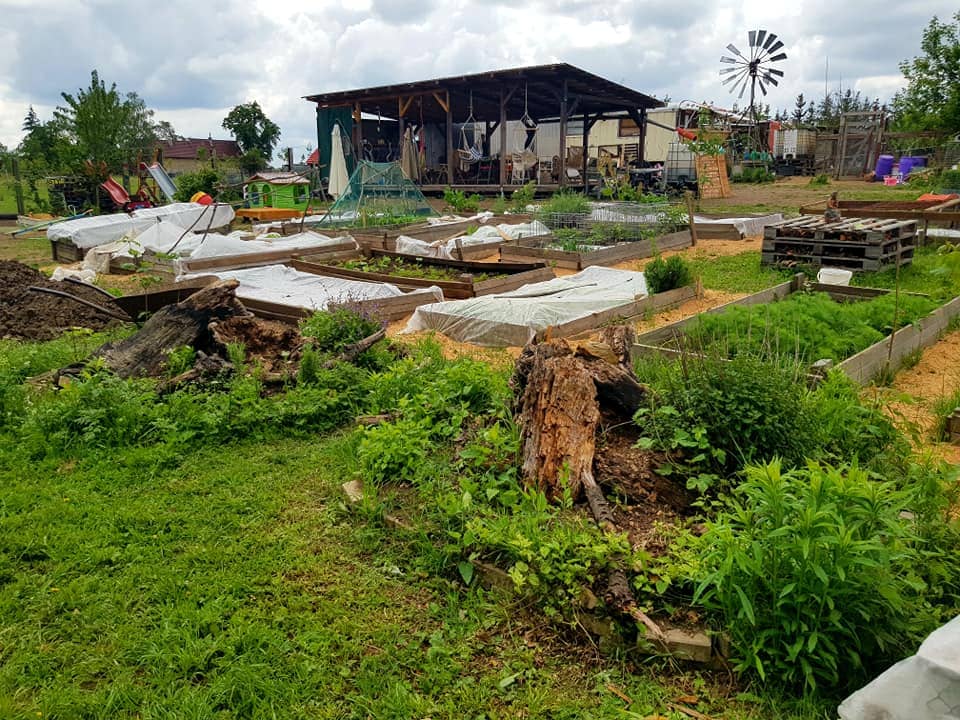
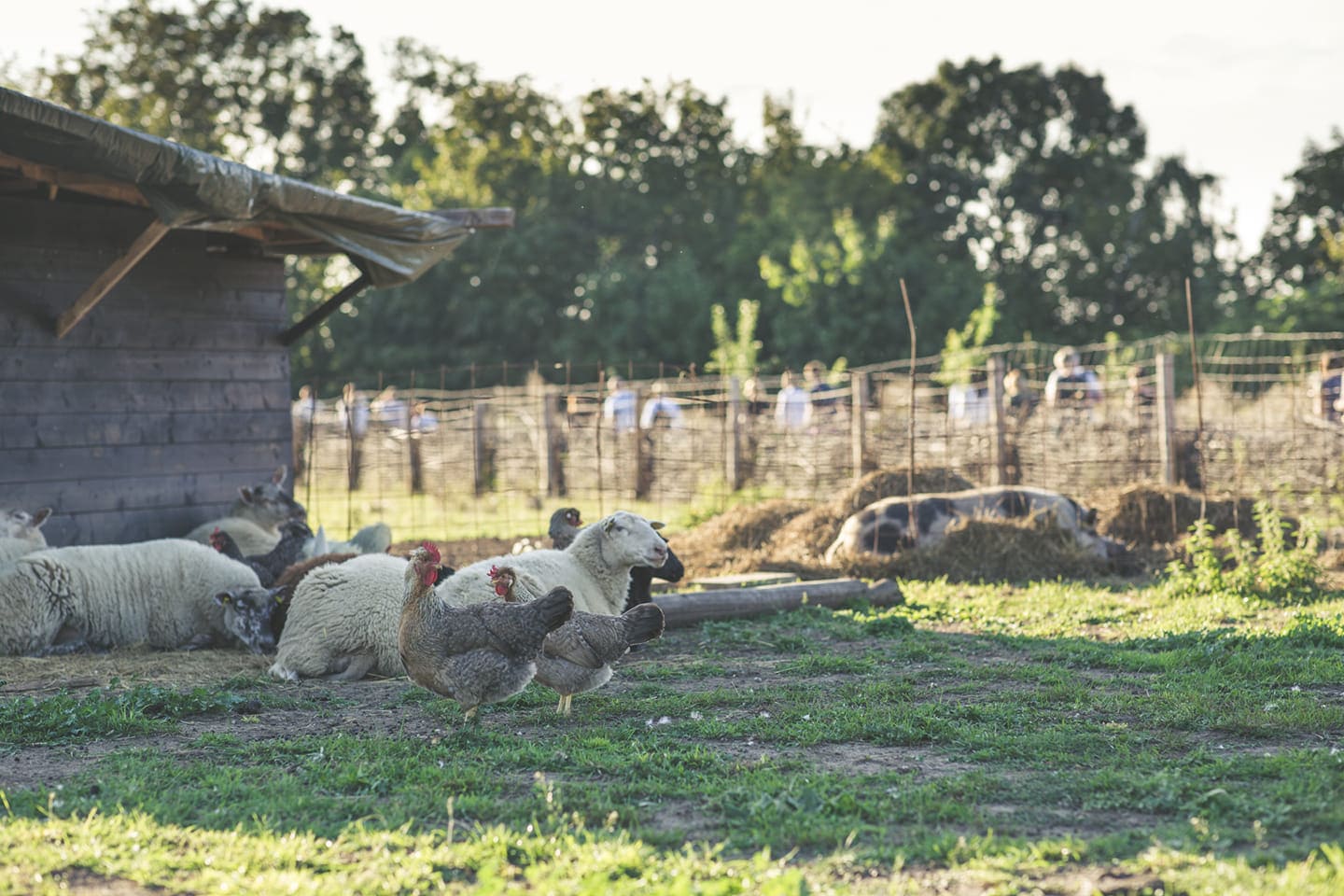
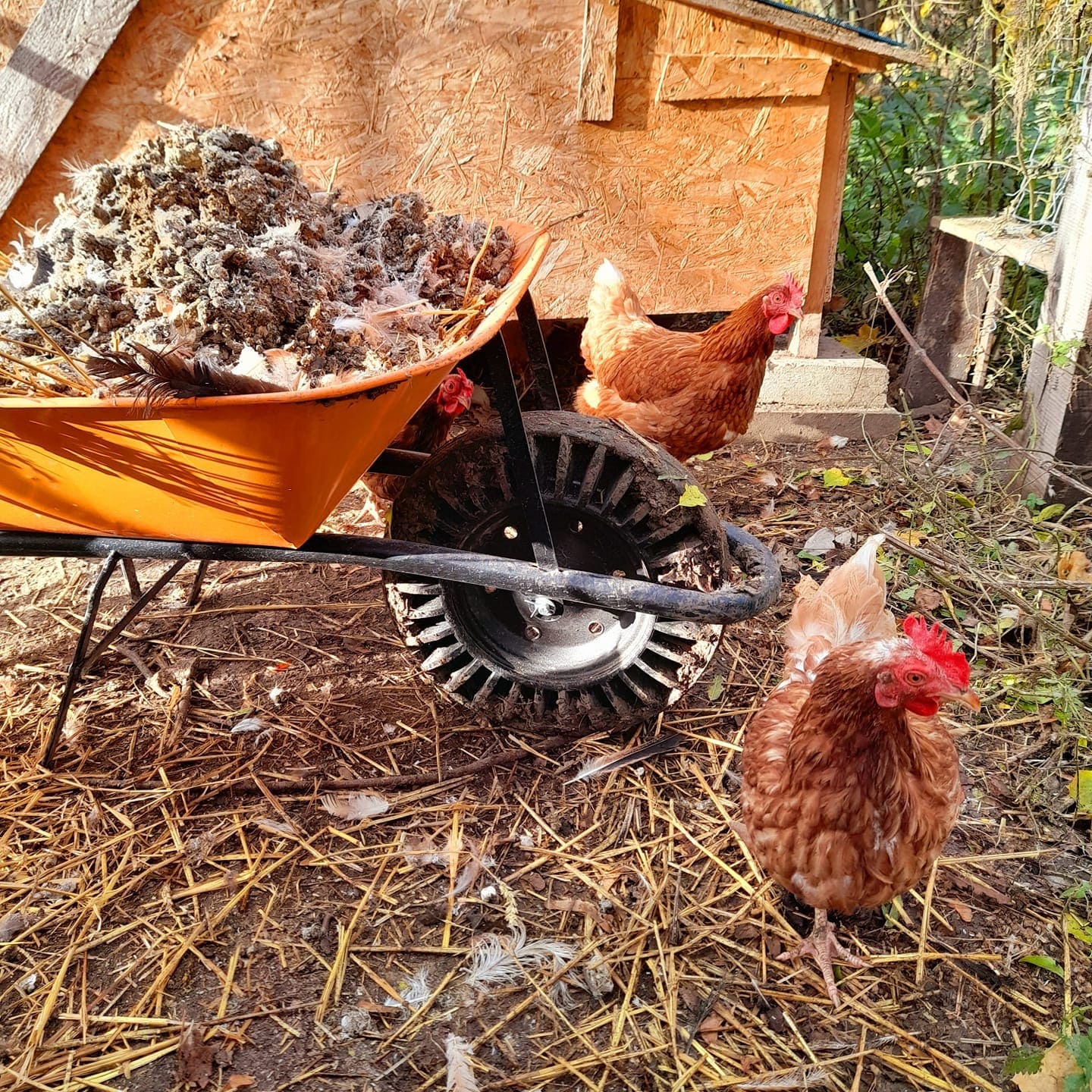
Most of all, the space resembles a ranch with horses, cows, chickens, pigs, and other animals, mostly rescued. Of the total area, about 2ha is used for growing vegetables.
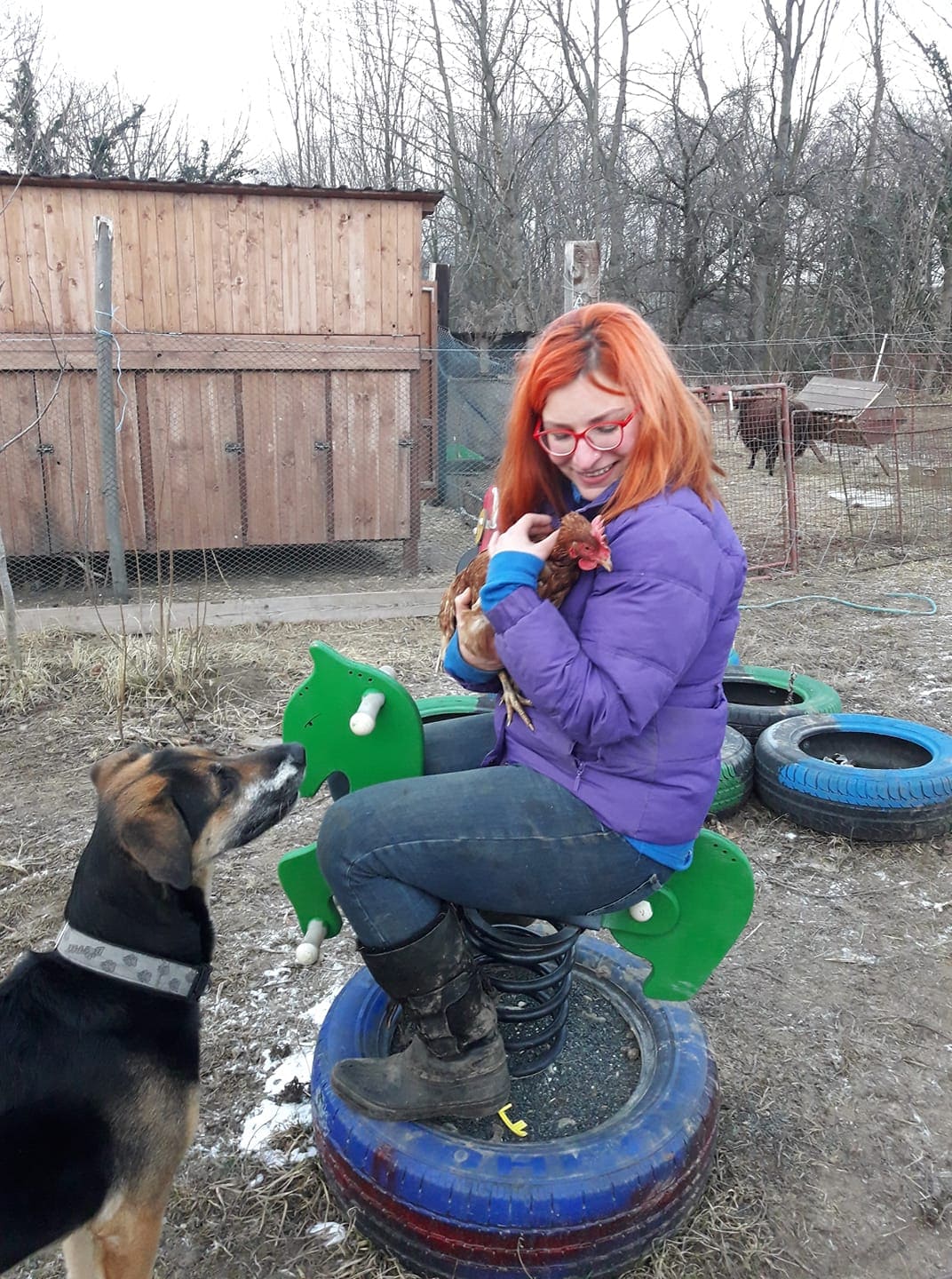
They employ those who don't get many chances elsewhere, such as drug addicts, people who have served time, homeless women, and people at crossroads in their lives - e.g. transgender people, people who need a change, etc. Some just pass through Pastvina on their journey, others stay longer.
Thanks to excellent public relations and communication with the community, the farm continues to live and grow, but it is exactly the type of "farm" that does not qualify for government subsidies.
We interviewed Marco Stella, who founded the farm with his wife, Annika Stella, and both of them are very intensively involved in its operation. Marco not only has a vast knowledge of science and horticulture, but he has a workable vision and the great ability to express his ideas. He is increasingly gaining experience not only in employing people with special needs but also with people who need therapeutic facilities on a regular basis. Which is also one of the directions he would like to continue.
POSITIVE PERSONAL EXPERIENCE
Pastvina is one of the farms that employ disadvantaged people without having the official status of a social farm. The founder Marco comments on this by saying: " We actually came about by accident, which is probably a good thing. The primary impetus was to fix up the local area, which was very neglected. Even though the initial enthusiasm has worn off, I still think it makes sense, at least most of the time. That's why I'd like to professionalize it and I need to find someone else to do it, that's my motivation now."
Marco considers energy self-sufficiency to be a success - they have their own water and electricity. People who work there, but also visitors, think about it - where do they get their energy sources, that is their real value. It came about as a necessity because they're in a place where they can't even have an electricity connection, but it's a success for them to deal with the condition and in the end a real innovation that arose from this need.
OBSTACLES AND HOW TO OVERCOME
Pastvina is struggling with finances for its employees. The biggest hurdle is finding enough money to make the payments decent and motivate the employees. This has to do with the turnover of people who come through the organization. By giving someone support, training them and the person soon leaves (and it doesn't necessarily mean they will continue to do something similar), they spend most of their time training someone and that is very inefficient for an organization that is more of a farm than a training center.
The question is also the functioning of Pastvina as an association. They would like to make decisions democratically, but there is an issue with responsibility. No one really wants to make decisions, so the decision is up to the founders, and they see it as a limitation to decide on things they don't understand. Over time, people have come to expect Pastvina to sort out a lot of things for them. Marco comments on the clash of expectations, "We can't be a garden counseling center, a therapy center, an entertainment center, and I can't be an animator. We are a pass-through farm because we want to be, and visitors don't understand that we don't and can't be responsible for them. Not even for their children."
What has Marco learned through Pastvina? "When we work with a certain type of people it carries specific risks and you have to accept that. I learned that a good way to deal with problems, even potential ones, that can arise with people is to have very precise rules from the beginning and to be very consistent. "
RECOMMENDATIONS, ADVICE
Pastvina's advice for aspiring social farmers is simple and a bit unconventional - it's good to help people, but it shouldn't be the alpha and omega - it's good to have a primary passion, but you can't get eaten. You need to have clear rules for employees and require them. It is also necessary to keep a distance, especially if people are fluctuating.
PROMO
The Community Garden Pastvina produces mainly seasonal vegetables and eggs. It sells primarily through Community Supported Agriculture (CSA) and has a relatively large and stable community of shareholders (the advantage is the location on the outskirts of Prague). They also sell from the yard and rent out the beds. In addition to growing and caring for animals, Pastvina organizes summer camps and runs a children's club.
They use social networks for promotion, especially facebook and the web. The quality of both processing and content is very good. They share posts with quite a lot of distinctive and personal content, authentic and original, most with a strong emotional charge and message.
FINAL SENTENCES
How does Marco see Pastvina's future direction? "I don’t have the slightest idea about our development in ten years. But let's say I have a plan. I would like to get a few more plots of land around and bring them back to a sane state" (note: the whole of Pastvina is on land that was originally a neglected periphery, a dumping ground, a place where homeless people lived).
As for the outlook for the next five years - Marco would like to start growing berries. It makes sense not only economically - manpower is needed to take care of the berries. Another of Marco's visions is to work more with people with mental health problems. As he adds “Healing people works at Pastvina but we need professionalization in this.”
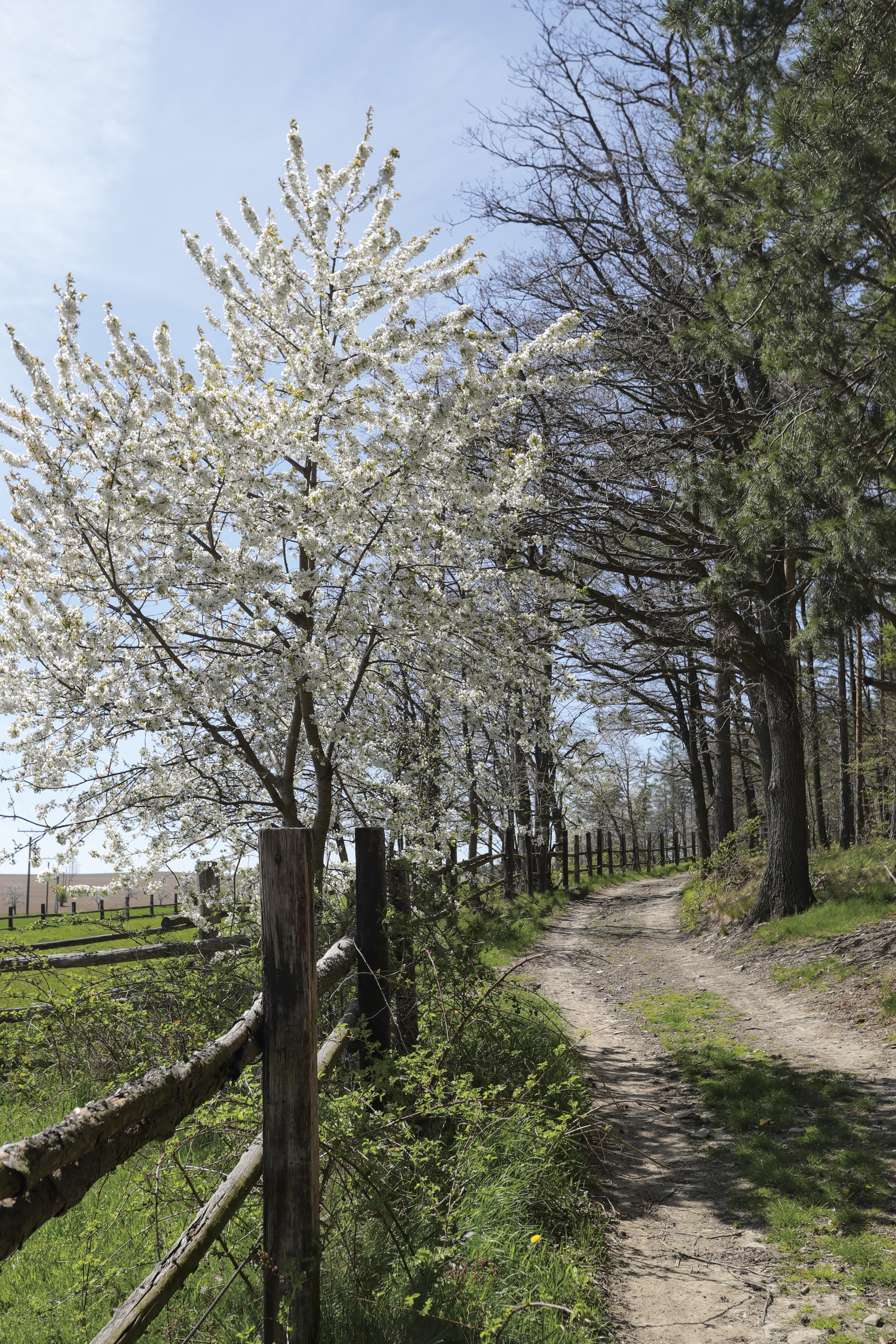
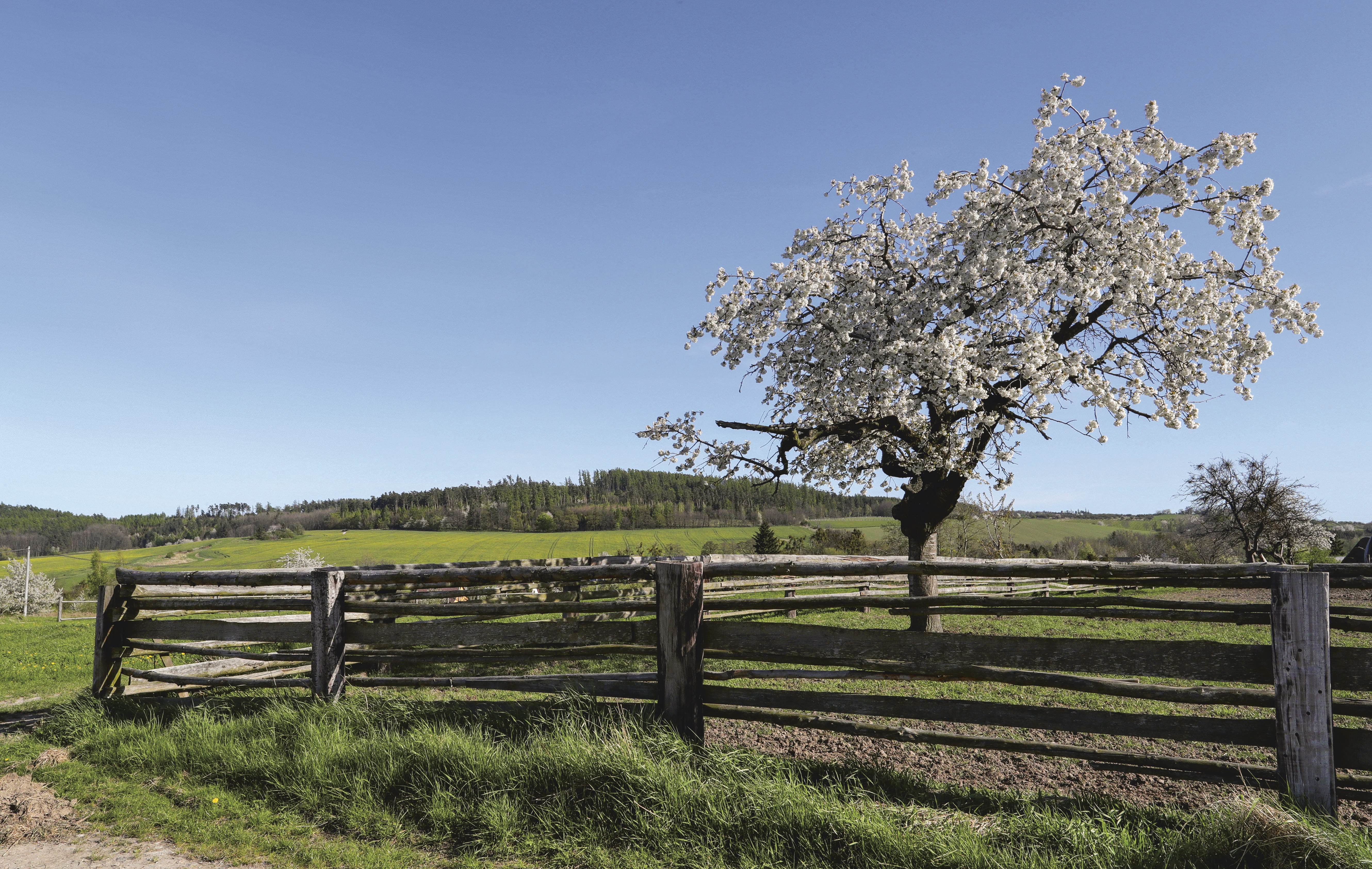
What is Marco proud of for himself and the whole Pastvina? "If I go to the bottom of it, it's probably the way we have changed the landscape. We planted about 50 fruit trees in a place that was barren. We're making a Pastvina that was forgotten and neglected, the place not just for animals but for people as well."
.jpg)

 EN
EN
 CS
CS
 DE
DE
 IT
IT
 PL
PL
 SK
SK