
KVĚTNÁ ZAHRADA
IDENTIFICATION OF THE CASE STUDY
Case study number: CZ-01
Name of the farm/organization: Květná zahrada / Flower garden
Title of the case study:
Between sectors
MAIN DATA
Country
Czech Republic
Year of establishment
2005
Target groups
- Homeless people
- Disabled people
- Children
- Prisoners (newly released) ∙
- Elderly people
- Addicts
- Social handicap (low education, ethnicity, refugees)
Type of farm
Social farm, production mainly livestock, registered institute
Size (in hectares)
17 ha (pastures, fields)
Numbers of employees from target groups
The entire social farm Květná zahrada: 17 employees, Farm of Květná zahrada: 5 employees
Number of members from target groups using services without employment
4
Sources they live from
Production (food), services, social services, regional funding, EU matching funds
Innovative / not innovative
Innovative - first-of-its-kind, combination of farm and social service, exemplary cooperation with the state sector
Websites:
www.2343ec78a04c6ea9d80806345d31fd78-gdprlock/kvetnazahrada
www.8dc6460bbbb088757ed67ed8fb316b1b-gdprlock/kvetnazahrada
DESCRIPTION
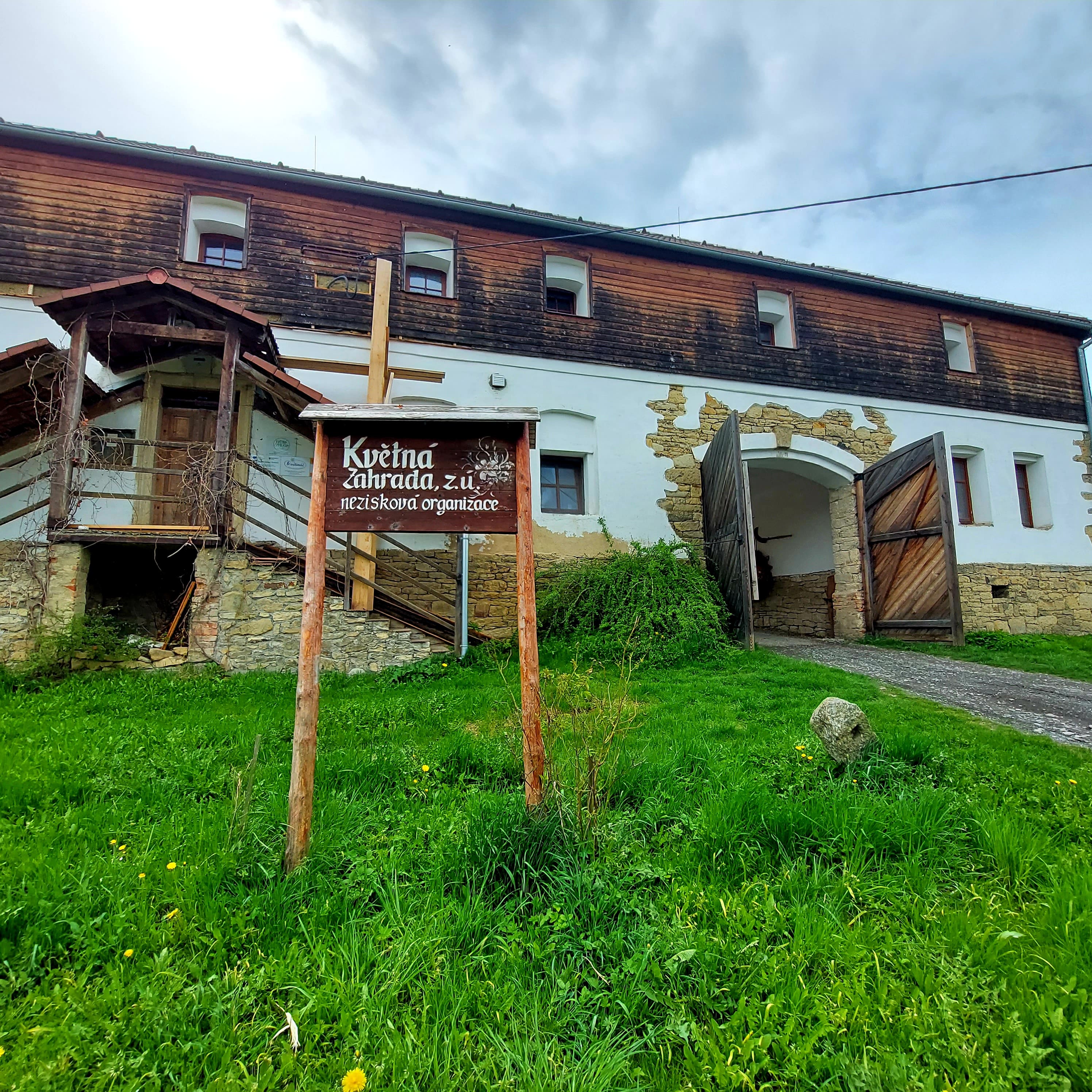
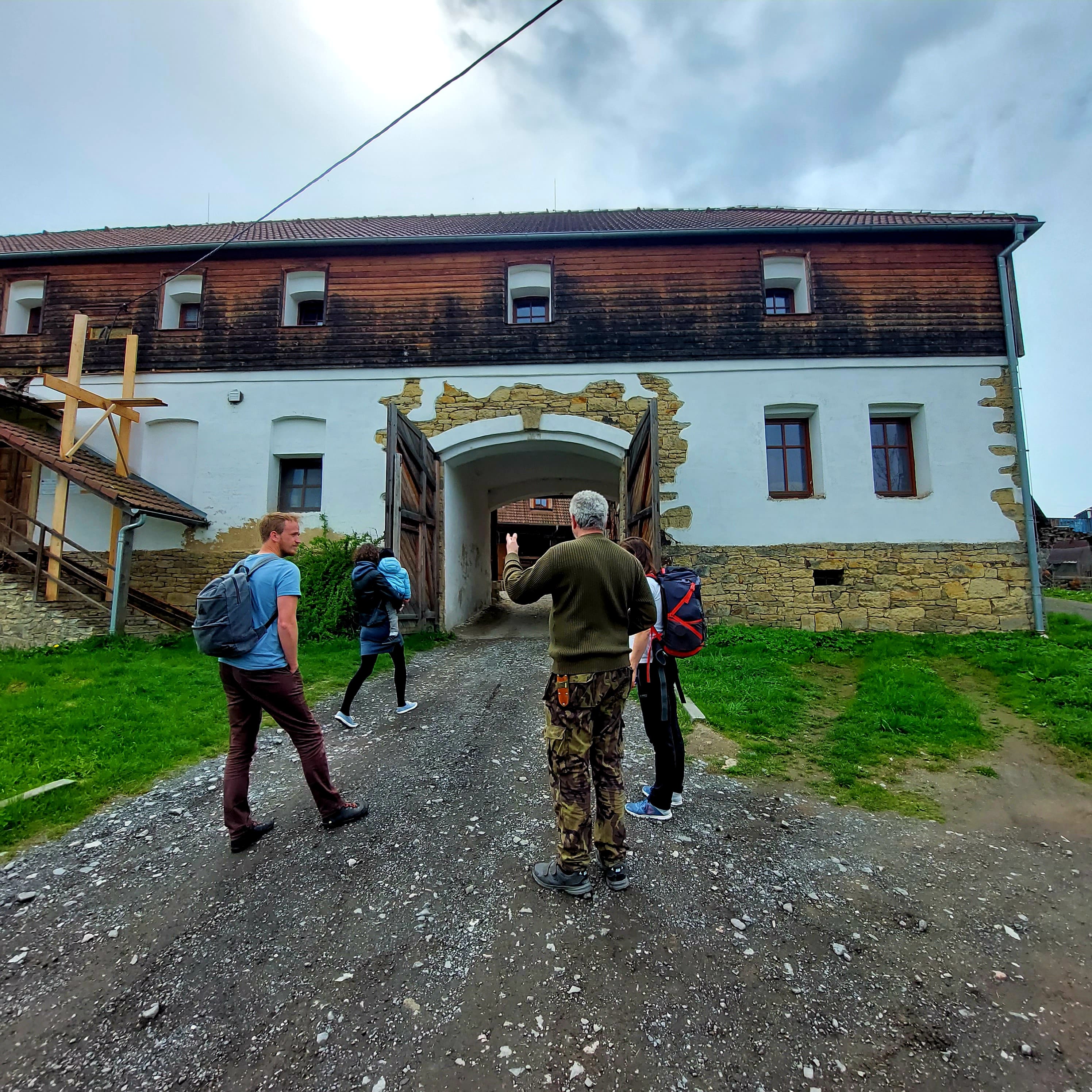
Květná Zahrada (in translation the Flower Garden) was created in the building of a former, relatively large farmhouse with adjacent pastures, which required acute reconstruction. It is one of the oldest organizations operating in the Czech Republic. Since 2005, it has been providing a residential social service called "Květná Halfway House", which is designed to support young people aged 18 to 29 years old who are leaving children's homes and similar institutions, foster care, prison or are in the streets without family support. Since 2009, it has also been involved in social entrepreneurship. It works with a number of target groups, socially at-risk young people, people over 50 with other disabilities, the long-term unemployed, people with disabilities, people at risk of social exclusion and the socially excluded. They have long been involved in child-rearing and education issues.
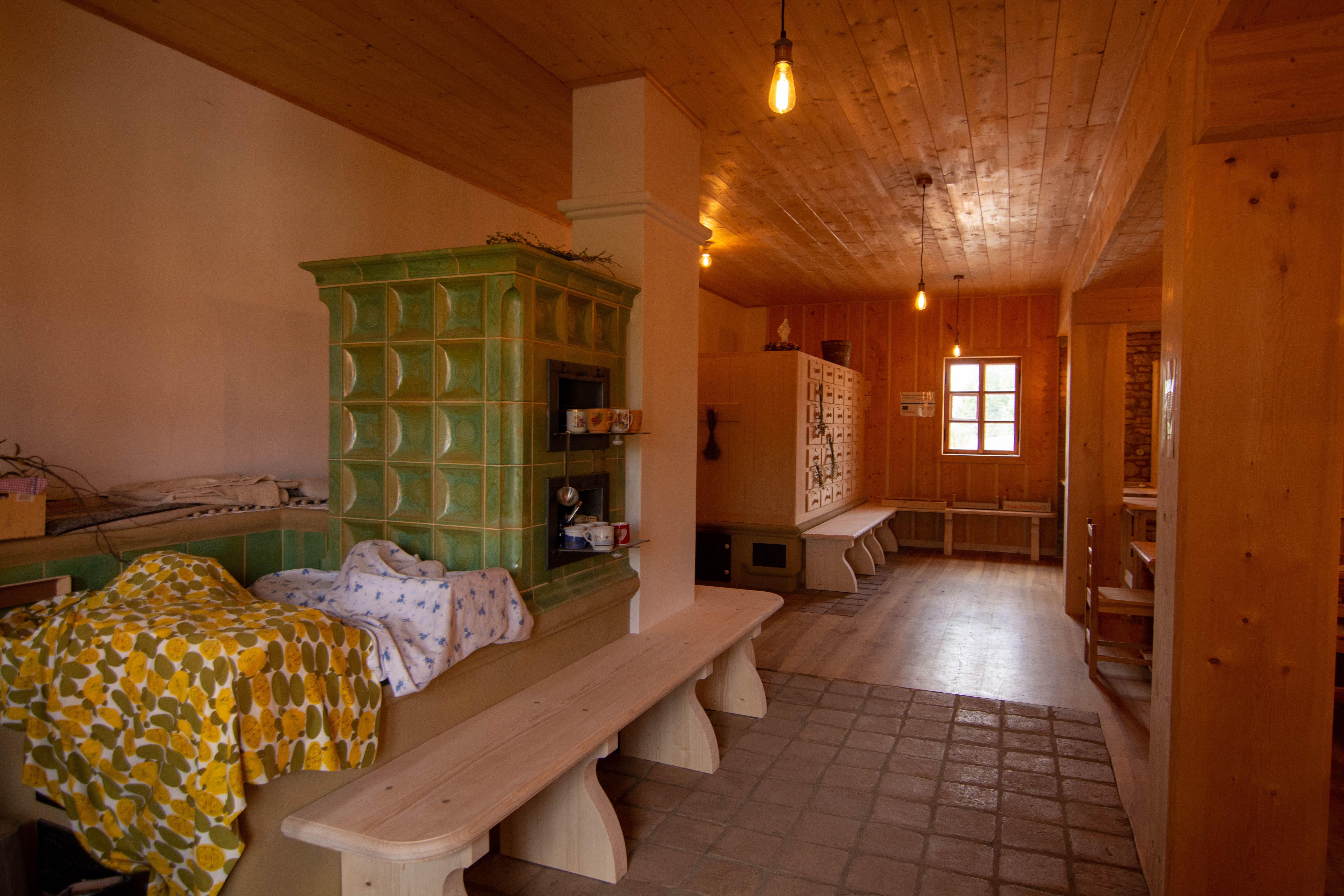
The farm's own production is focused mainly on dairy products, with occasional meat. Their products have a very good reputation and have won many awards for quality. In addition to their farming activities, they cook lunches, provide active accommodation, organize events for public and private groups, and engage in agri-tourism.
We interviewed Ferdinand Raditsch, the founder and director of the organization. Ferda is a walking library of information not only about social farming but also about entrepreneurship and other related fields, yet he is still incredibly human and able to keep learning and gathering experience. It is a pleasure to talk to people who work in his organization or who use its facilities and opportunities. The Flower Garden continues to grow and evolve even though they are already one of the most visible and authentic key players in the sector.
POSITIVE PERSONAL EXPERIENCE
Ferdinand Raditsch is originally a ministerial official involved in crime prevention, now a farmer and director of a social enterprise who has been helping all those who are struggling to find the right path, background, and support to grow up in the Květná Zahrada for more than sixteen years. He founded the organization with a need to help children and young people in difficult life situations. What he lacked at the time, nearly 20 years ago, was a place that fulfilled his vision.
The transition to a social farm took place officially in 2009 and gradually the gates of his farm were opened to senior citizens and people with various disabilities. As Ferdinand mentioned “I wanted to work with people with specific needs and give them a chance to work. We were really at the very beginning of the field of Social Entrepreneurship in our country, the transition to social service and also the transformation to social enterprise."
And were the beginnings of social entrepreneurship easy? He continues "In the beginning, it was a 'field full of cacti' - but in the end, our organization and our whole endeavor is a pretty good idea that helps. Under all the liabilities, troubles with grants, etc., we do crumble at times, but we have managed to overcome great obstacles and are proud of what we have built here and what we have survived. The more our vision comes to fruition, the more I see the need to continue."
OBSTACLES, HOW TO OVERCOME
During a visit to the farm, you have the feeling that it has been there for ages and that everything works from the first to the last cog of the wheel. But it wasn't always like that, as Ferdinand adds.
After the farm got off the ground and the first big jump in growth, there was a shock. The farm experienced breakneck growth and expansion on many fronts. All of this led to a point where the rules and the way it operated needed to change. From the beginning, it also faced the fact that the state did not have set rules for working with certain groups - particularly people with cumulative disabilities. This is still one of the main reasons why it is difficult to officially employ disadvantaged people.
The economic situation also appears to be problematic - the current inflation and impoverishment of society have a direct impact on the functioning of the farm. Ferdinand and his colleagues thus urgently need to address the area of energy measures (introduction of solar panels, etc.), streamline production, communicate with the relevant institutions, and find solutions. And into all this comes changes in the law.
RECOMMENDATIONS, ADVICE
Květná zahrada is thriving, but it has also gone through a period of crisis. What advice does Ferdinand have for other farmers? He recommends not to do anything rash. You need to prepare, think carefully, read, ask questions. Reckless action can have disastrous consequences.
Further, in Ferdinand's words, farmers should not forget that their work is indeed deeply meaningful, even though there will likely be times when their actions seem futile.
PROMOTION OF A FARM
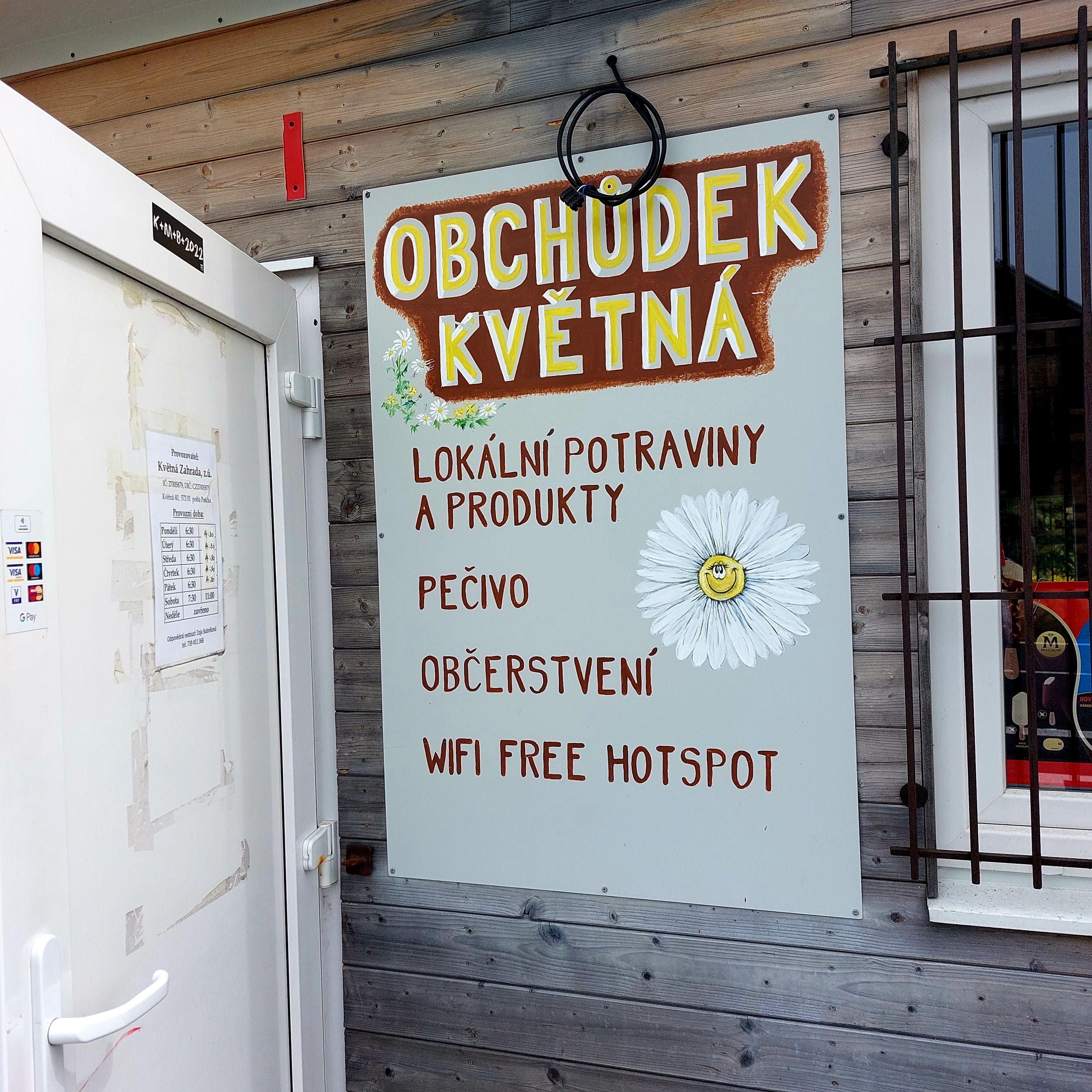
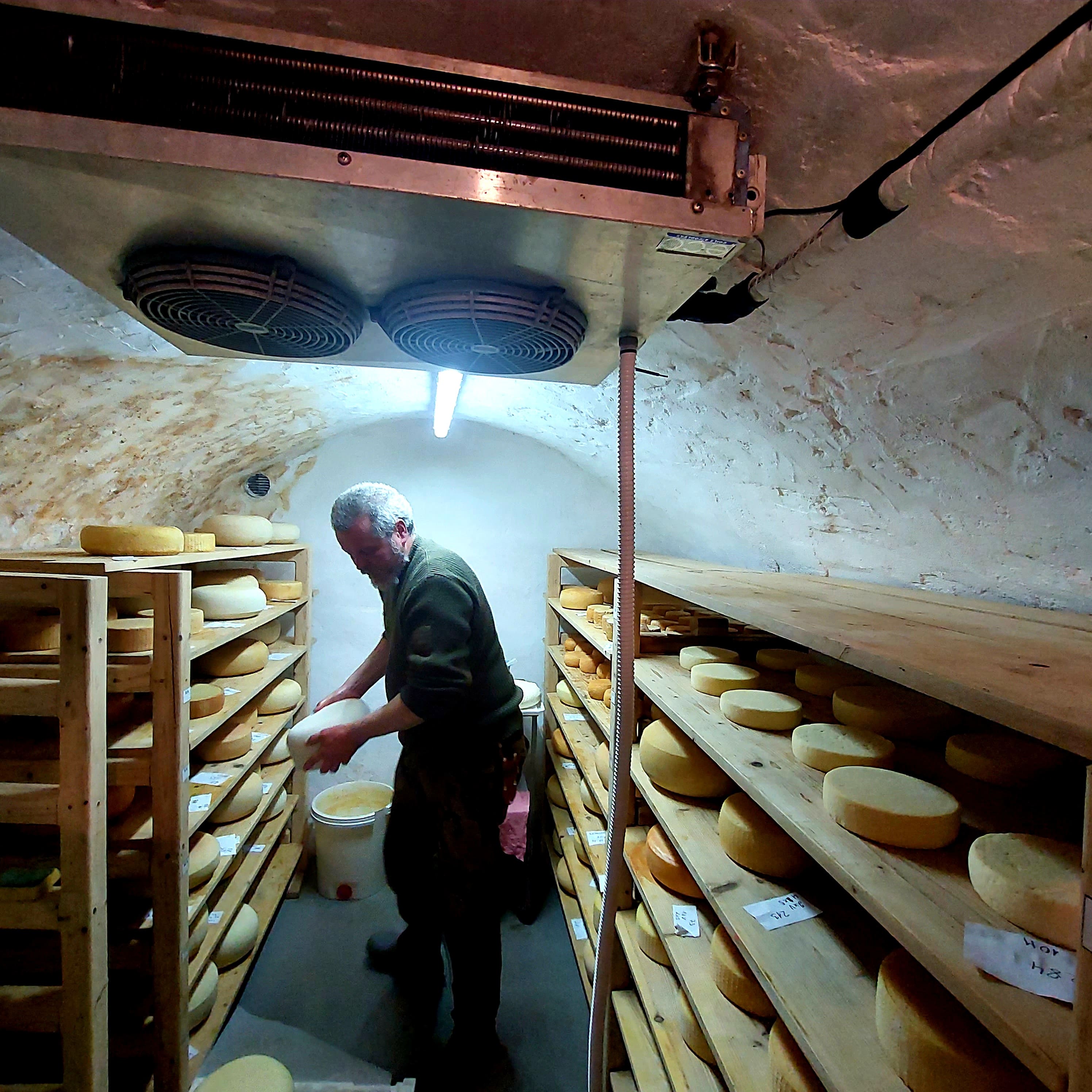
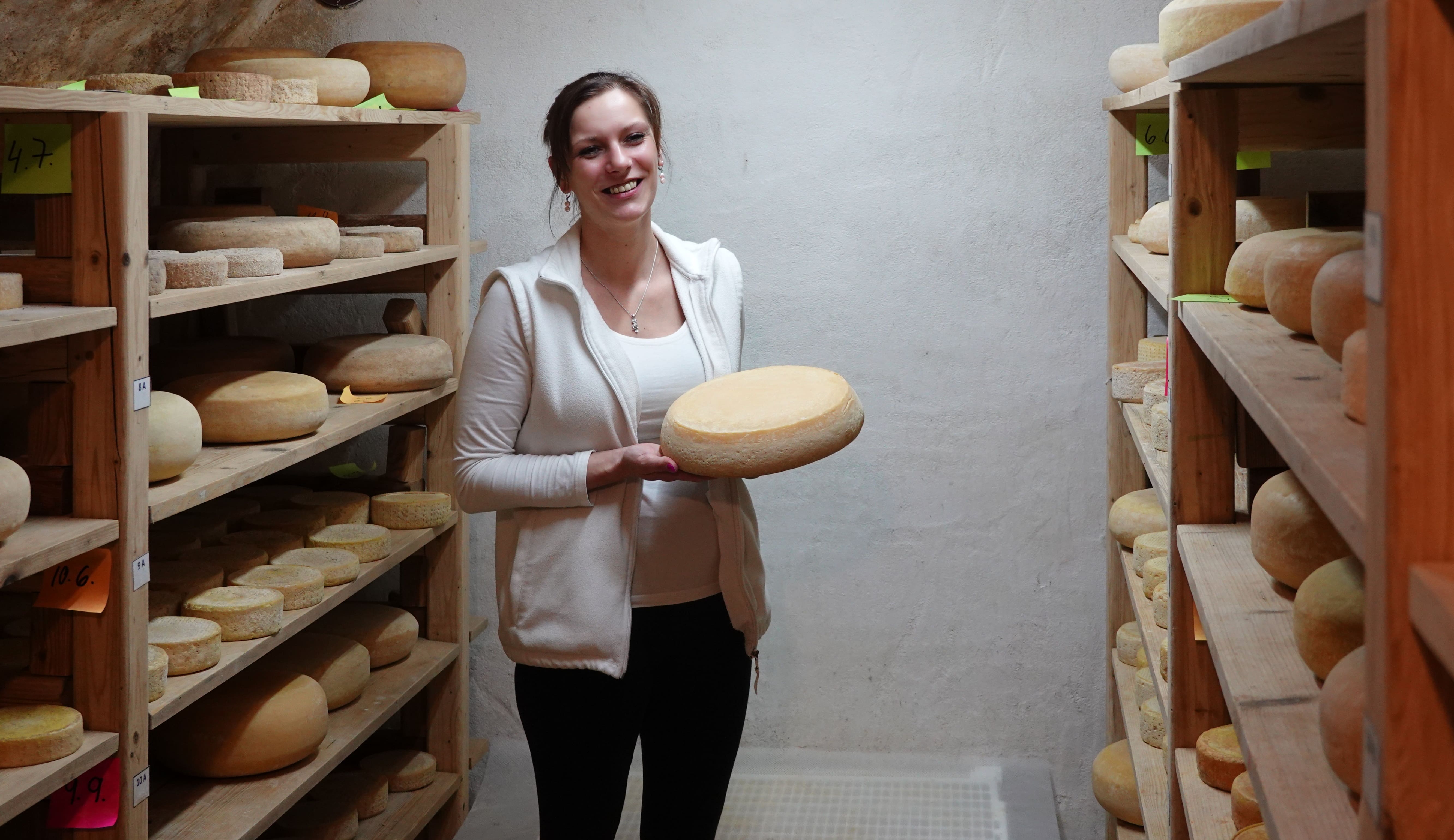
Květná zahrada is especially famous for its high-quality cheeses, which are stored and aged in the local stone cellar. It regularly wins awards for regional food. Cheeses can be purchased on the farm and locally in the surrounding area, as promoting localism is essential to the farm. Online, the products are available on the Czech platforms Rohlík, which is one of the largest e-shops, and SCUK, which has a slightly different system that aims to bring the farmer and the end customer closer together.
For online promotion, the farm uses social networks - Instagram, FB - and a website, which, like its social media profile, is very well and professionally designed.
The farm has intensive contact with the local community, the surrounding villages, acting as an icebreaker between the different actors both at the level of local government and higher state institutions. They are very politically active, disseminate experience and vision, and have a number of solutions that they have proven to implement successfully in practice. The farm is an example of excellent involvement in local networks, ability, and resilience in communicating with authorities and finding common solutions for actors with seemingly divergent interests.
FINAL SENTENCES
Květná zahrada has now started several new projects and is also helping other social enterprises and farms. In particular, it sees regionalization, i.e. more cooperation between regions, municipalities, suppliers and areas of about 30km around the farm, as its main theme for the next ten years. This trend is seen as general, and typically not only in their case.
In the horizon of the next years, they do not plan further jump development, rather they want to focus on stabilizing the economy. It will also be important to find people to continue the mission and improve what is already working.
What is Ferdinand Raditsch proud of? "I'm proud of our courage to go all the way."

 EN
EN
 CS
CS
 DE
DE
 IT
IT
 PL
PL
 SK
SK